HS-LS2-2
Use mathematical representations to support and revise explanations based on evidence about factors affecting biodiversity and populations in ecosystems of different scales.
- Ecosystems
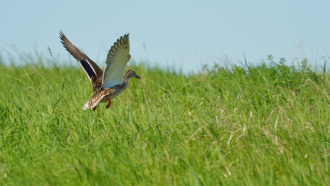
America’s duck lands: These ‘potholes’ are under threat
North America’s prairies are in trouble. Scientists race against the clock for clues about how to save the plants — and animals — that call it home.
- Earth
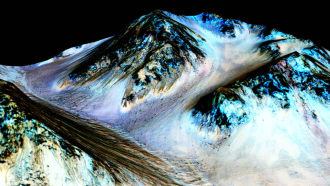
Keeping space missions from infecting Earth and other worlds
Scientists are always looking for ways to stop Earthly microbes from polluting other planets. The same goes for bringing bits of other planets back to Earth.
- Environment
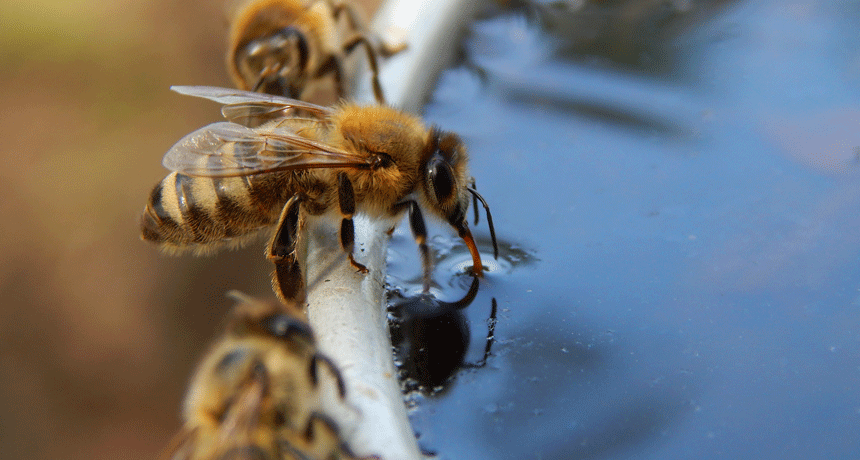
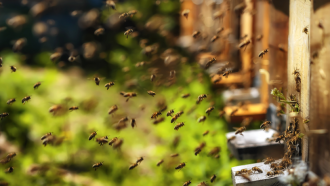
Cleaning up water that bees like to drink
Plant roots suck up pesticides used on soils, then release them into water that can seep from their leaves. This is a sweetened water that bees love to sip. A teen figured out how to remove most of the pesticide with bits of charcoal.
- Animals
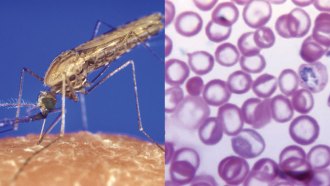
Malaria parasites lure mosquitoes to infected hosts
Malaria parasites leave behind an alluring molecule in their hosts’ blood. It draws mosquitoes to sip it, helping spread the disease these carry.
- Agriculture
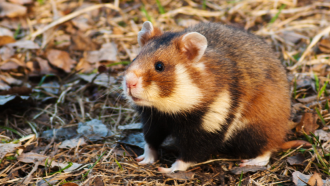
Wild hamsters raised on corn eat their young alive
European hamsters raised in the lab turn into crazy cannibals when fed a diet rich in corn, new data show. The problem may trace to a shortage of a key vitamin.
- Animals
Cool Jobs: Abuzz for bees
These scientists are keeping bees healthy, making medicines for people from honey and constructing bee-inspired robots.
- Science & Society
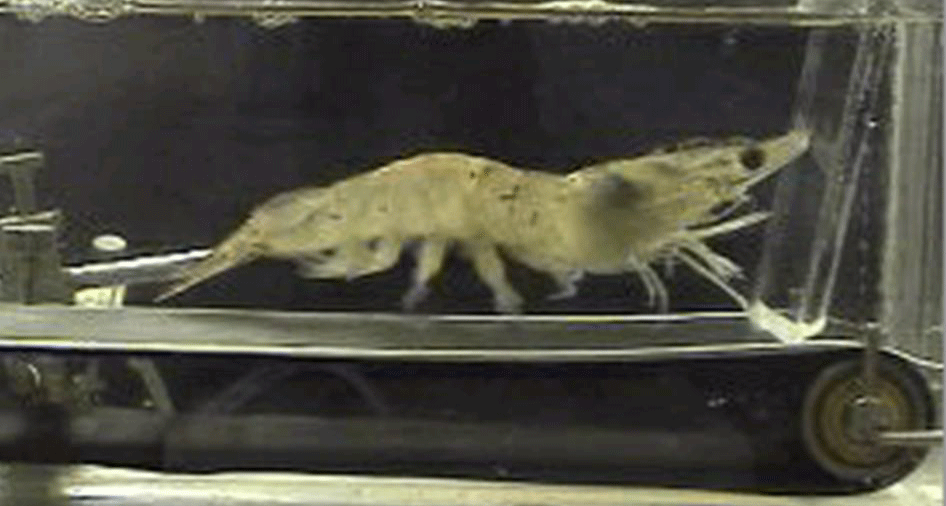
Shrimp on treadmills? Some science only sounds silly
Research that may seem silly, at first glance, often has a rewarding aim. Here are some examples.
- Ecosystems
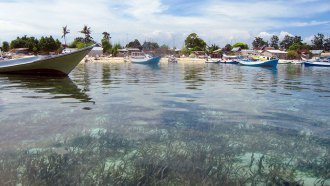
Underwater meadows appear to fight ocean germs
The seagrasses that sway in coastal currents are more than aquatic groundcover. They can reduce harmful bacteria that might otherwise sicken neighboring animals, new data show.
- Animals
Under blanket of ice, lakes teem with life
Life under frozen lakes is vibrant, complex and surprisingly active, new research finds. In fact, some plants and animals can only live under the ice. But with climate change, will that continue?
- Health & Medicine
Snot Science: Taking mucus to the next level
There’s more to science than just squirting snot. It’s time to place data in context and figure out how to take my boogers to the next level.
- Animals
Food-like smell on plastic may lure seabirds to eat it
When plastic smells like supper, seabirds and other animals can be fooled into thinking it is food.
- Brain
What makes a pretty face?
Beautiful faces are symmetrical and average. Do we prefer them because this makes them easier for our brains to process?