HS-LS2-6
Evaluate the claims, evidence, and reasoning that the complex interactions in ecosystems maintain relatively consistent numbers and types of organisms in stable conditions, but changing conditions may result in a new ecosystem.
- Chemistry
Light could make some hospital surfaces deadly to germs
A new surfacing material can disinfect itself. Room lighting turns on this germ-killing property, which could make the material attractive to hospitals.
- Health & Medicine
Analyze This: Flu vaccine’s protection varies
Getting a flu shot every year is an important way to protect yourself and those around you — even if the vaccine isn’t 100 percent effective.
- Agriculture
Explainer: The fertilizing power of N and P
Two elements — nitrogen and phosphorus — help plants grow. When the soil doesn’t have them, farmers might add them in the form of fertilizer.
- Physics
Disabilities don’t stop these experts in science and tech
People with disabilities are as varied as the careers some of them pursue in science, technology, engineering and math.
- Ecosystems
Cities drive animals and plants to evolve
Biologists are finding that some species have used genetic changes to evolve — adapt — to the pollution and other stressors that they encounter in cities.
- Ecosystems
America’s duck lands: These ‘potholes’ are under threat
North America’s prairies are in trouble. Scientists race against the clock for clues about how to save the plants — and animals — that call it home.
- Animals
Under blanket of ice, lakes teem with life
Life under frozen lakes is vibrant, complex and surprisingly active, new research finds. In fact, some plants and animals can only live under the ice. But with climate change, will that continue?
- Earth
Water sensor quickly detects algal poison
A new sensor can detect poisons from harmful algae within minutes so that drinking-water plants can start timely treatments.
- Health & Medicine
Mouth germs team up to boost disease risk
The oxygen given off by harmless mouth bacteria can help disease-causing invaders grow strong and flourish.
- Animals
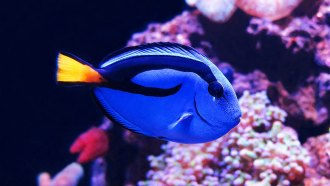
Catching ‘Dory’ fish can poison entire coral reef ecosystems
More than half of saltwater-aquarium fish sold in the United States may have been caught in the wild using cyanide, new data show.
- Earth
Fighting big farm pollution with a tiny plant
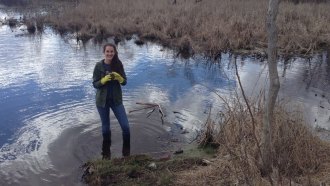
Fertilizer runoff can fuel the growth of toxic algae nearby lakes. A teen decided to harness a tiny plant to sop up that fertilizer.
- Animals
Uh oh! Baby fish prefer plastic to real food
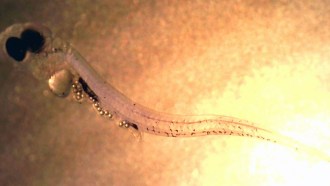
Given a choice, baby fish will eat plastic microbeads instead of real food. That plastic stunts their growth and makes them easier prey for predators.