HS-LS2-7
Design, evaluate, and refine a solution for reducing the impacts of human activities on the environment and biodiversity.
- Animals
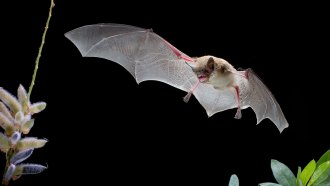
Which way is up? Insects may lose track near artificial lights
Flying insects may use light to figure out where the sky is. But artificial lights can send them veering off course, high-speed video suggests.
- Life
Has the Endangered Species Act saved species from extinction?
After 50 years, this landmark law has kept many species alive — but few wild populations have recovered enough to come off the “endangered” list.
- Oceans
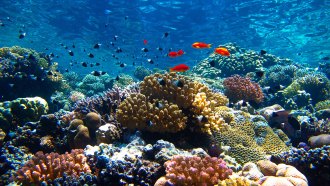
Shading corals during midday heat can limit bleaching
Shading coral reefs during the sunniest part of the day may help corals survive marine heat waves.
- Environment
Pumping cold water into rivers could help fish chill out
Hundreds of salmon, trout and other fish sought shelter from summer heat in the human-made cool zones. These areas may help fish adapt to river warming.
- Tech
Bits of trees can make and store energy for us to use
This cellulose and lignin, two major building blocks of trees, could lead to greener electronics.
- Animals
Adult corals have been frozen and revived for the first time
Living corals could be frozen for safekeeping. Scientists could later revive them to restore reef ecosystems that are withering in warming seas.
- Oceans
Summer 2023 is when the ocean first turned ‘hot tub’ hot
Unfortunately, scientists worry that this atypical sea warming may actually be the beginning of an unwelcome new ‘normal.’
- Tech
Horses are inspiring this roboticist to build trustworthy robots
Computer scientist Eakta Jain is looking at human-horse interactions for ideas about how to design robots that work well with people.
- Environment
Fungi help rescue crops being harmed by microplastics
Microplastics in the soil hinder plant growth. But two finalists at Regeneron ISEF found that fungi and farm waste can reduce the harm.
- Environment
Sea life may suffer as plastic bits alter metals in water
This interplay between plastics and metals could affect how each affects the environment — and suggests opportunities for controlling their risks.
- Animals
Cougars pushed out by wildfires took more risks around roads
After an intense burn in 2018 in California, big cats in the region crossed roads more often. That put them at higher risk of becoming roadkill.
- Environment
Bacterial ‘living wires’ could help protect the seas and climate
Long, thin bacteria that conduct electricity may be able to help clean up oil spills and reduce emissions of methane, a powerful greenhouse gas.