HS-LS2-7
Design, evaluate, and refine a solution for reducing the impacts of human activities on the environment and biodiversity.
- Earth
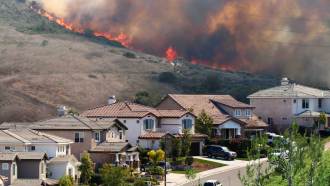
Analyze This: Wildfires are pumping more pollution into U.S. skies
Researchers wanted to study the health effects of wildfire smoke. But they realized they didn’t know where it was and how much exposure people had.
- Science & Society
What’s the fun in fear? Science explores the appeal of scary movies
On its face, the appeal of horror doesn’t make much sense. But scientists are starting to uncover who’s most likely to enjoy scary films and why.
- Animals
Some ecologists value parasites — and now want a plan to save them
Parasites get a bad rap as disease-causing, unwelcome guests on other organisms. But parasites are also imperiled, and scientists don’t want to lose them.
- Animals
Dogs and other animals could aid the spread of monkeypox
Now that monkeypox has spread to a dog, researchers fear other species could help the virus become widespread outside of Africa for the first time.
- Animals
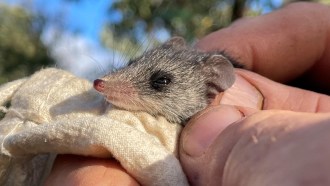
Palm-size marsupials may face extinction from wild ‘house’ cats
After surviving Australian bushfires, the Kangaroo Island dunnart is losing ground as it's targeted by hungry predators.
- Animals
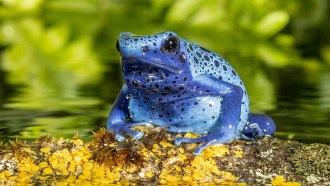
Let’s learn about amphibians
Amphibians are named after the Greek word for “double life” because many transform from water dwellers to landlubbers as they grow up.
- Plants
Electric shocks act like vaccines to protect plants from viruses
To protect crops against viruses in their home country of Taiwan, two teens invented a novel approach to fight blights.
- Chemistry
Let’s learn about cellulose
The world’s most abundant natural polymer is finding all kinds of new uses, in everything from ice cream to construction.
- Chemistry
Ponds made to control floods can spew climate-warming gases, study finds
Younger stormwater ponds can release more carbon in gases than they absorb, a study finds. That could aggravate global warming.
- Science & Society
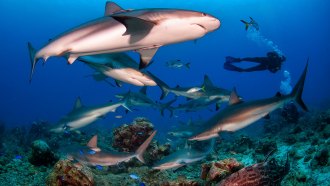
Explainer: What is an endangered species?
Threats such as climate change and habitat loss can put species at risk of going extinct. Different words describe that risk.
- Animals
Bees and butterflies struggle to find flowers in polluted air
Emissions from cars and trucks make it harder for insects to find flowers. That in turn reduces flower visits and pollination, a new study finds.
- Animals
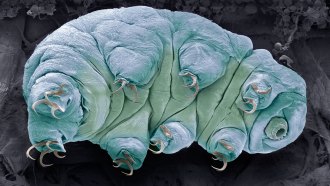
Living mysteries: Why teeny-weeny tardigrades are tough as nails
Tardigrades often live in cool, damp moss. Their cushy life has somehow prepared them to survive the lethal radiation of outer space.