MS-LS2-2
Construct an explanation that predicts patterns of interactions among organisms across multiple ecosystems.
- Animals
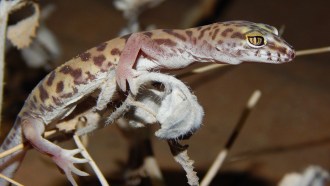
Watch how a western banded gecko takes down a scorpion
New high-speed video reveals how normally mild-mannered geckos can violently shake venomous prey into submission.
- Animals
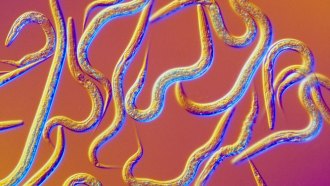
Like bloodhounds, worms are sniffing out human cancers
Scents emitted by diseased cells may usher in a new era of safe, low-cost screening tests for cancer and other illnesses.
- Animals
Infected caterpillars become zombies that climb to their deaths
By tampering with genes involved in vision, a virus can send caterpillars on a doomed quest for sunlight.
- Chemistry
Ponds made to control floods can spew climate-warming gases, study finds
Younger stormwater ponds can release more carbon in gases than they absorb, a study finds. That could aggravate global warming.
- Animals
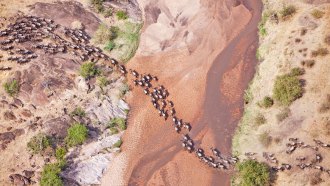
Scientists Say: Migration
Migration involves the movement of animals or people from one place to another.
- Life
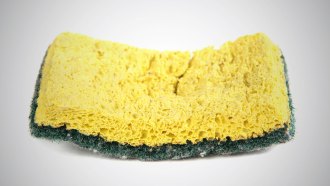
Kitchen sponges are bacteria’s dream home
Sponges are favorite spots for bacteria, partly because of the mixed-housing environment that the cleaner-uppers offer microbes.
- Animals
Mosquitoes see red, which may be why they find us so appealing
Mosquitoes not only see colors, but also prefer certain ones, such as the hues of human skin.
- Animals
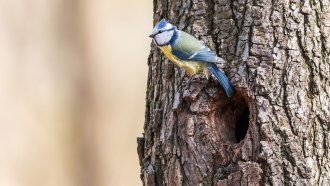
Analyze This: Birds may decorate nests to scare off rivals
Birds that nest in holes face stiff competition for nest sites. Some use feathers, also found where predators have made a kill, to keep rivals away.
- Animals
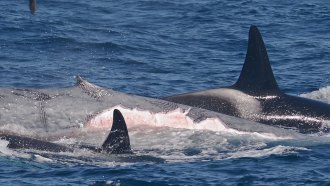
Orcas can take down the largest animal on the planet
For the first time, scientists observed that orcas can kill blue whales by using the same hunting techniques that have worked on other large whales.
- Animals
Bees and butterflies struggle to find flowers in polluted air
Emissions from cars and trucks make it harder for insects to find flowers. That in turn reduces flower visits and pollination, a new study finds.
- Chemistry
Scientists Say: Decay
This word can refer to rotting flesh or the transformation of radioactive atoms.
- Animals
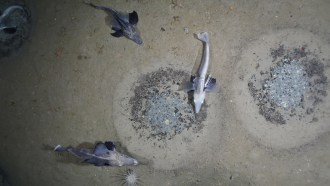
World’s biggest colony of nesting fish lives beneath Antarctic ice
Totally unexpected, it’s far, far larger than any other known community of nesting fish — fully one-third larger than the area of Washington, D.C.