MS-LS2-4
Construct an argument supported by empirical evidence that changes to physical or biological components of an ecosystem affect populations.
- Animals
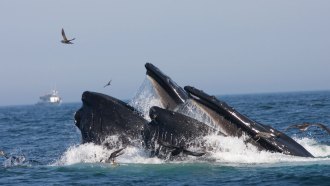
Baleen whales eat — and poop — a lot more than we thought
The amount of food that some whales eat and then poop out suggests these animals have a powerful influence over ocean ecosystems.
- Climate
Here’s how some sea-loving trees ended up far from the coast
This “relict ecosystem” that’s more than thousands of years old moved inland due to warming and a rise in sea levels.
- Animals
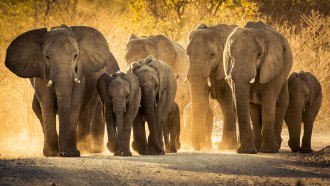
Let’s learn about elephants
Check out five wild facts you may not know about a familiar animal: the elephant.
- Ecosystems
Cheatgrass thrives on the well-lit urban night scene
Middle-grade campers team up with ecologists at Denver University to show that streetlights boost the growth of a reviled invasive species.
- Animals
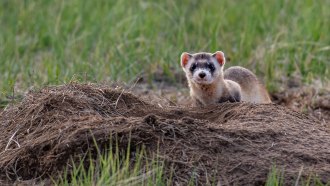
Cloning boosts endangered black-footed ferrets
A cloned ferret named Elizabeth Ann brings genetic diversity to a species that nearly went extinct in the 1980s.
- Environment
Wildfire smoke seeds the air with potentially dangerous microbes
Studies now show that most wildfires don’t kill microbes. That’s fueling worries about what risks these smoke hitchhikers might pose to people.
- Health & Medicine
What is the role of in-person classes in COVID-19’s spread?
New data haven’t shown that schools pose a big coronavirus risk to kids and their families, despite fears that they might.
- Animals
Urchin mobs can literally dis-arm a predator
Urchins are important herbivores — but not strict vegetarians. When hungry enough, they may even rip apart their predators for lunch.
- Health & Medicine
Will we all need COVID-19 booster shots?
Experts say not yet, but booster vaccines may be coming as new SARS-CoV-2 virus variants keep emerging.
- Environment
Pond scum can release a paralyzing pollutant into the air
New study finds blooms of blue-green algae can seed the air with a poisonous pollutant.
- Climate
Urchin takeover underlies California’s vanishing kelp forests
Some 95 percent of kelp forests along its northern coast are gone. Meanwhile, sea otters are helping slow the loss of surviving kelp farther south.
- Environment
Urban pollution can pose unseen risks to kids’ immunity and more
A trio of new studies links immune changes and high blood pressure to inhaling bad air.