Earth
- Climate
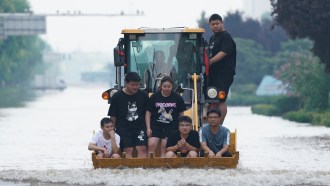
Warming cities may see more rain — and frequent flooding
Scientists are seeking to understand why and how to mop up excess precipitation.
- Climate
Explainer: Urban heat islands and how to cool them
Cities transform landscapes covered in plants to ones covered in heat-absorbing asphalt and concrete. But ways exist to cool these urban heat islands.
- Environment
Let’s learn about plastic pollution
The world is cluttered with plastic waste. All that junk kills animals far and wide.
- Earth
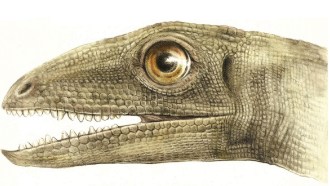
New beetle species found in fossil poop of this dino relative
Whole beetles preserved in fossilized reptilian poop suggest that ancient droppings may deserve a closer look.
- Climate
New UN climate report finds no time for denial or delay
It links extreme weather around the globe to Earth’s changing climate.
- Earth
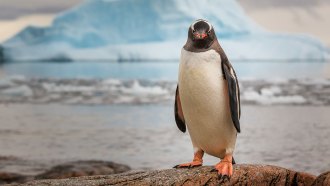
Let’s learn about Antarctica
This continent is dry, windy and very cold — and home to penguins, ice and a lot of scientific research.
- Climate
‘Zombie’ wildfires can reemerge after wintering underground
Climate change may make these not-quite-dead blazes more common. Scientists are learning to predict where a zombie might emerge.
- Animals
Sudden shark die-off 19 million years ago eliminated most species
New fossil evidence shows 90 percent of sharks died in the mysterious event.
- Climate
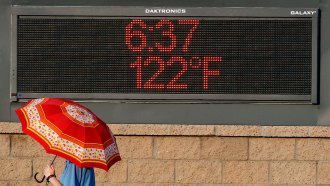
U.S. records reveal the last 30 years were the hottest on record
New ‘climate normals’ show that average temperatures increased notably just since 1990.
- Animals
Let’s learn about whales and dolphins
Whales, dolphins and porpoises are all cetaceans — mammals that live in water and have a streamlined body similar to a fish.
- Climate
‘Tree farts’ make up about a fifth of greenhouse gases from ghost forests
Heat-trapping gases from dead trees play an important role in the environmental impact of “ghost” forests.
- Animals
Common parasite may help mussels survive heat waves
By whitening shells, the organism helps the shellfish stay cool on sunny days, a new study suggests.