Fossils
- Fossils
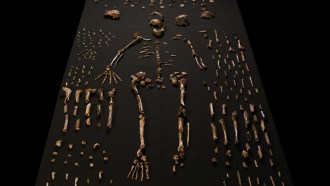
Fossils: Is this new species a human relative?
Fossils found in an underground cave in South Africa may be from a previously unknown species of the human genus, Homo.
- Animals
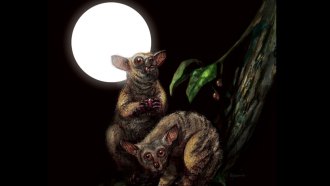
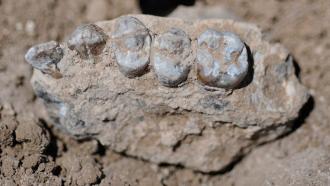
Remains of ancient primate found in Oregon
Scientists have found a few teeth and a fossil jaw of an ancient species of primate. It may be related to modern lemurs or tarsiers.
- Animals
More dinosaur bones yield traces of blood, soft tissue
More dinosaur bones are found to contain residues of blood and soft tissue. The discovery could help point to when dinosaurs turned into warm-blooded creatures.
- Fossils
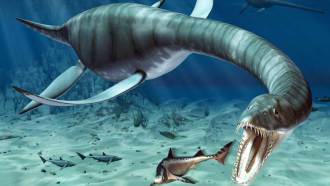
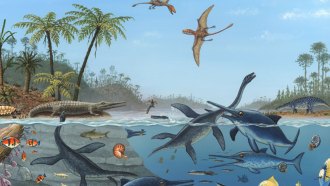
The real sea monsters
No known dinosaurs lived in the oceans. But there were lots of big aquatic reptiles that were every bit as ferocious and awesome.
- Fossils
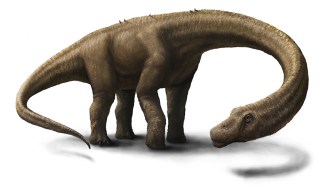
New analysis halves massive dino’s weight
No question about it, Dreadnoughtus schrani was enormous. But a new estimate concludes this dino weighed just half as much as first thought.
- Fossils
That’s no dino!
Not all ancient reptiles were dinosaurs. Some soared, many swam the seas and still others looked like dinos—but actually weren’t.
- Fossils
Fossil find adds a relative to our family tree
Lucy is the best known of our early ancestors. Now, a new fossil from Ethiopia suggests a second pre-human species lived alongside her kind.
- Animals
Picture This: The real ‘early bird’
Long before dinosaurs went extinct, birds were emerging on Earth. These hummingbird-size wading birds are the earliest known ancestors of today’s birds.
- Fossils
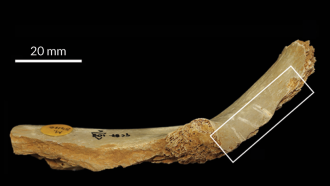
Ritual cannibalism occurred in Stone Age England
Stone Age human bones from a cave in England show signs of cannibalism. The people had been eaten during burial rituals nearly 15,000 years ago, experts say.
- Fossils
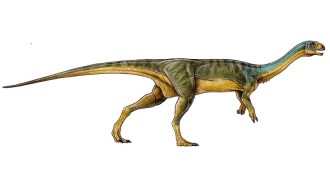
‘Frankenstein’ dino showed a mashup of traits
New species unearthed in Chile is “an anatomical Frankenstein,” declares one of its discoverers.
- Fossils
There really was a Brontosaurus, study claims
A new analysis finds evidence that the Apatosaurus and Brontosaurus were separate groups of animals, which deserve their own names and places on the dino family tree.
- Fossils
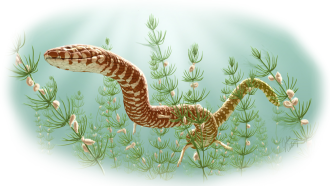
Snakes may have slithered amongst Jurassic dinos
Newly analyzed fossils suggest snakes lived at the same time as the golden age of dinosaurs. These early snakes appear to have had flexible skulls and likely also had four small limbs.