Fossils
- Fossils
Parasites wormed their way into dino’s gut
Tiny burrows crisscross the stomach of a 77-million-year-old dinosaur fossil. These may be tracks left behind by slimy parasitic worms.
- Chemistry
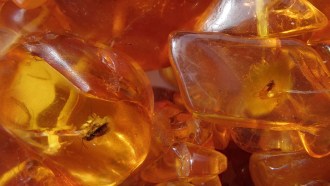
Identifying ancient trees from their amber
A Swedish teen’s analyses of a sample of amber may have uncovered a previously unknown type of ancient tree.
- Fossils
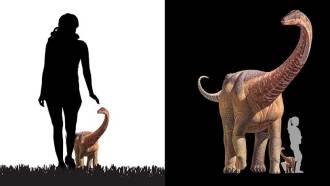
Baby titanosaur was a mini version of its parents
Fossils show that baby titanosaurs looked like mom and dad. They may have been active and independent from a young age.
- Fossils
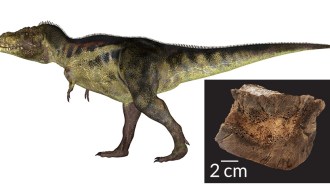
How to tell if a T. rex is expecting
A chemical test of tyrannosaur bone can determine whether the dino was pregnant — and therefore a female.
- Fossils
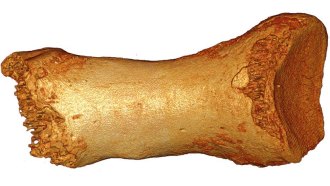
Neandertal toe contains human DNA
DNA from a 50,000-year-old Neandertal woman’s toe bone shows humans left a mark on the ancient species — and much earlier than scientists had thought.
- Animals
Roadkill : Learning from the dead
Roadkill can be more than a smooshed-up carcass. Scientists study these highway casualties to learn more about wildlife and their environments.
- Animals
Picture This: Plesiosaurs swam like penguins
A computer model suggests plesiosaurs — ancient marine reptiles — swam like penguins, using front flippers for power and back flippers for steering.
- Earth
Bubbles may have sheltered Earth’s early life
For Earth’s earliest inhabitants, a bubble on the beach would have been the next best thing to a safety blanket.
- Fossils
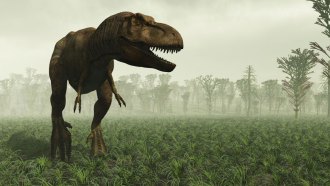
Predatory dinos were truly big-mouths
Large meat-eating dinosaurs could open their mouths wide to grab big prey. Vegetarians would have had a more limited gape, a new study suggests.
- Microbes
Fossils show sign of ancient vampire microbes
Scientists have found 750-million-year-old fossils of cells with puncture wounds. This appears to offer evidence that vampirelike creatures sucked them dry.
- Climate
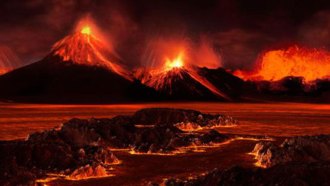
Clues to the Great Dying
Millions of years ago, nearly all life on Earth vanished. Scientists are now starting to figure out what happened.
- Animals
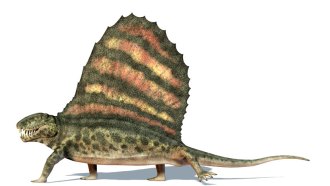
This prehistoric meat eater preferred surf to turf
For years, paleontologists thought the fierce, sharp-toothed Dimetrodon made a meal of land-based plant eaters. Not anymore. New fossils suggest aquatic animals were its meals of choice.