Archaeology
When we were prey
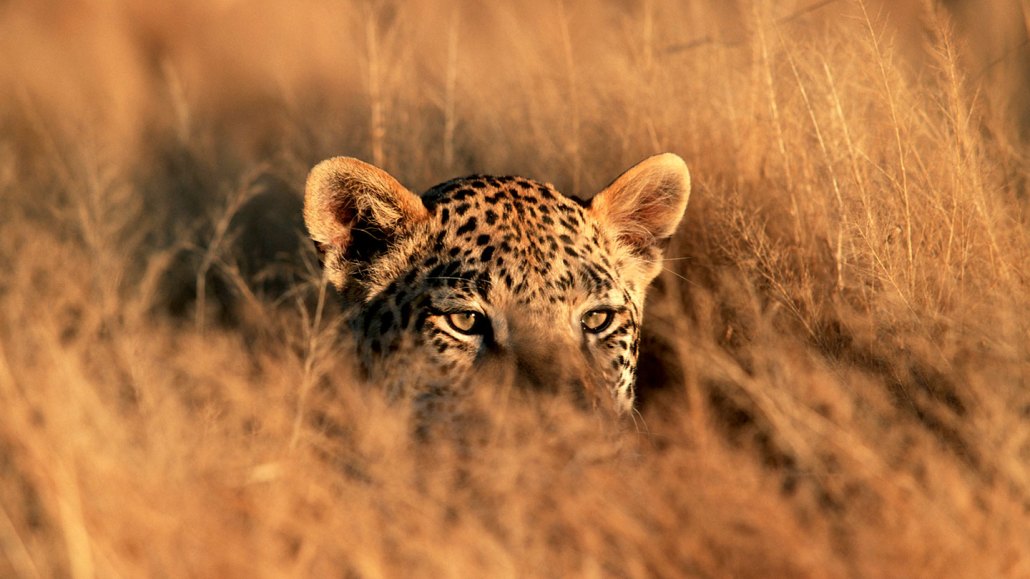
Bite marks on a 2-million-year-old human jaw suggest leopards once hunted people as prey. People likely survived by learning to team up.
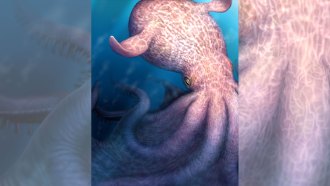
Some of these predators were as long as whales. Roaming the seas more than 72 million years ago, the octopuses appear to have been the largest invertebrates ever known.
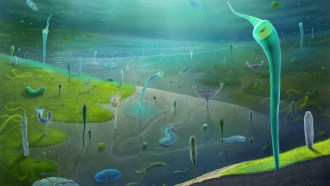
Newfound fossils turned up a strange zoo of often-complex creatures, including some suggesting that evolution of left-right symmetry occurred earlier than once though.
You and all other living things descended from a single organism — our great-grand-germ. Scientists are studying modern genes to learn more about this very distant ancestor.
New ocean dwellers arrived millennia — maybe decades — after the Chicxulub impact. That forces a rethink of evolution's response to wipeout events.
Bones in the barfed-up material, which dates to a time before the dinosaurs, offer a rare peek into the diet of a prehistoric hunter.
A 66-million-year-old fossil tooth turned up alongside remains of a T. rex and ancient crocodile. This shows some mosasaurs roamed into rivers.
These fearsome predators truly were enormous — with the bone-crushing bite power to match.
Researchers employed tools of paleontology to analyze the iconic landmark — a sidewalk critter crater made when a mystery rodent fell into wet concrete.
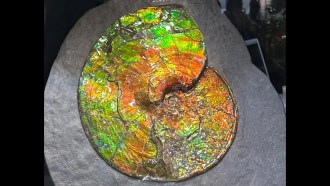
The fossils’ fabulous colors arise from delicate assemblies of crystal plates.