Life
- Chemistry
Janet’s chocolate mousse pie
The top two ingredients — dark chocolate and tofu — both have a reputation for being healthy. The good news for those who don’t like tofu: You can’t taste it in this pie. It just tastes like a very rich, thick chocolate mousse.
- Animals
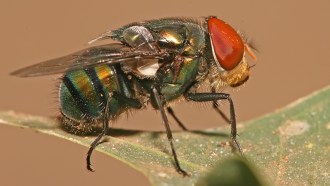
Blowflies keep their cool with drool
Personal air conditioning the blowfly way: Dangle a droplet of saliva and then swallow it.
- Health & Medicine
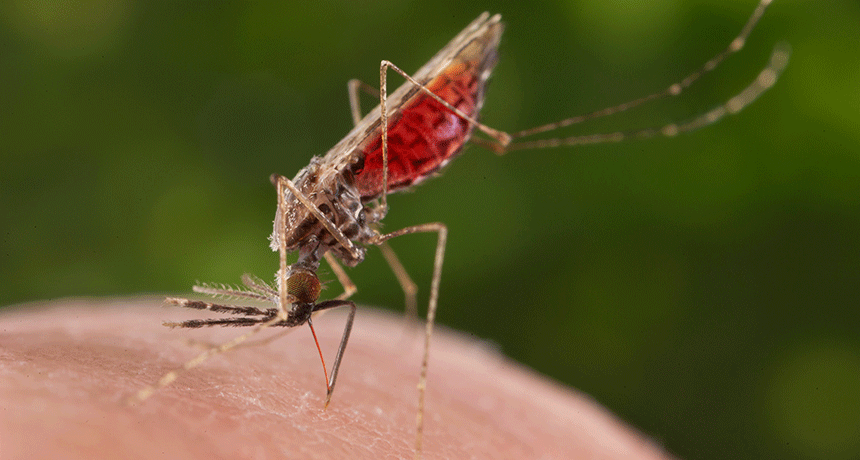
Scientists probe new ways to control malaria
In the quest to stop malaria, one researcher studies the disease in birds, bats and other animals. Another focuses on climate change and human sprawl.
- Life
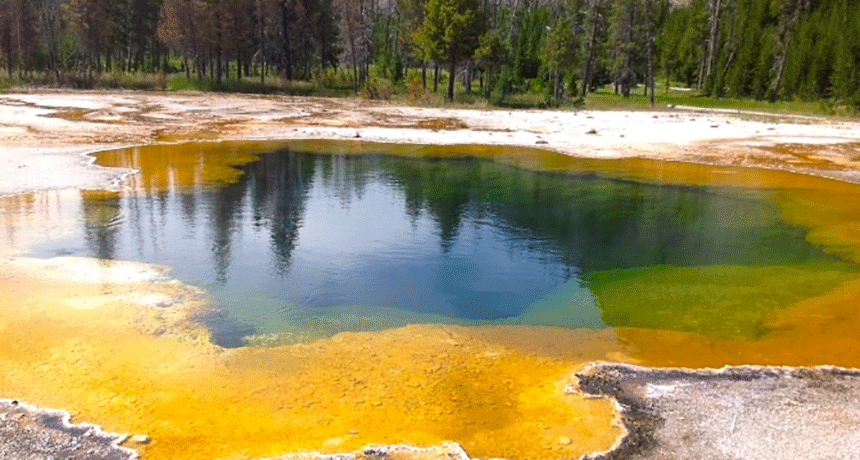
Scientists Say: Archaea
Archaea are single-celled organisms that live anywhere from hot springs to your gut. Scientists used to think they were bacteria, but now they know they are their own domain.
- Archaeology
Cool Jobs: Drilling into the secrets of teeth
A bioengineer, a biologist and an archaeologist all study teeth to explore new materials, to grow better tissues and to learn more about prehistoric humans.
- Animals
Jackpot! Hundreds of fossilized pterosaur eggs unearthed in China
A trove of fossilized pterosaur eggs and embryos offer tantalizing clues to the winged reptiles’ early development.
- Animals
Dog wins tally of nerve cells in the outer wrinkles of the brain
Golden retrievers rate at the top for numbers of nerve cells, a study of some carnivores finds.
- Animals
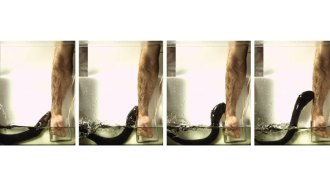
Analyze This: Electric eels’ zaps are more powerful than a TASER
Shocking! A biologist reached his hand into a fish tank and let an electric eel zap him. It let him measure precisely how strong a current it could unleash to defend itself.
-
- Animals
Escaping narwhals can freeze and flee at the same time
Narwhals’ heart rates plummet while diving quickly to get away from people. The combination may stress the whales as human activity increases in the Arctic.
- Health & Medicine
Analyze This: Flu vaccine’s protection varies
Getting a flu shot every year is an important way to protect yourself and those around you — even if the vaccine isn’t 100 percent effective.
- Health & Medicine
Scientists Say: Microbiome
You’ve got company. Every animal and plant has microscopic organisms living on and in them. These include bacteria, protists, archaea, fungi and viruses.