Life
- Animals
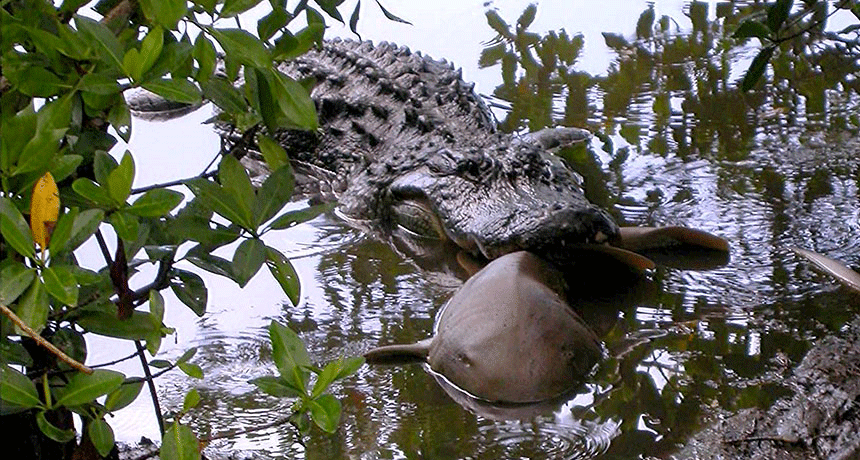
Alligators aren’t just freshwater animals
It’s time to change the textbooks. Alligators have been seen in salty waters snacking on sharks.
- Genetics
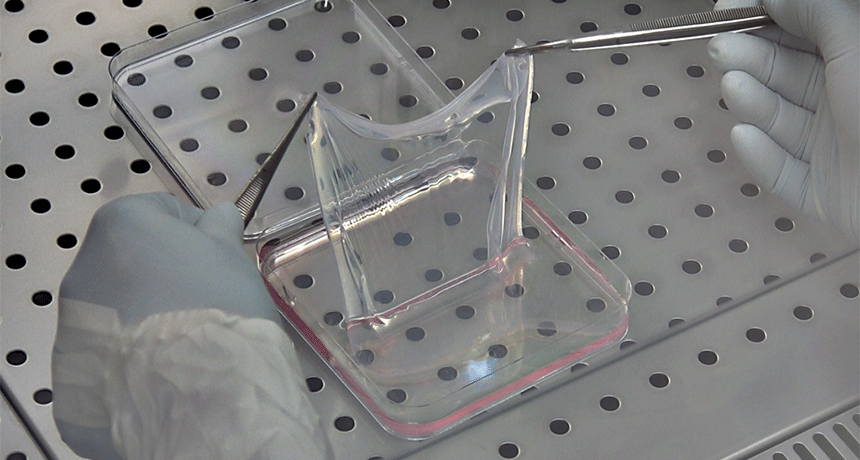
Doctors repair skin of boy dying from ‘butterfly’ disease
Researchers fixed a genetic defect, then replaced about 80 percent of a child’s skin. This essentially cured the boy’s life-threatening disease.
- Animals
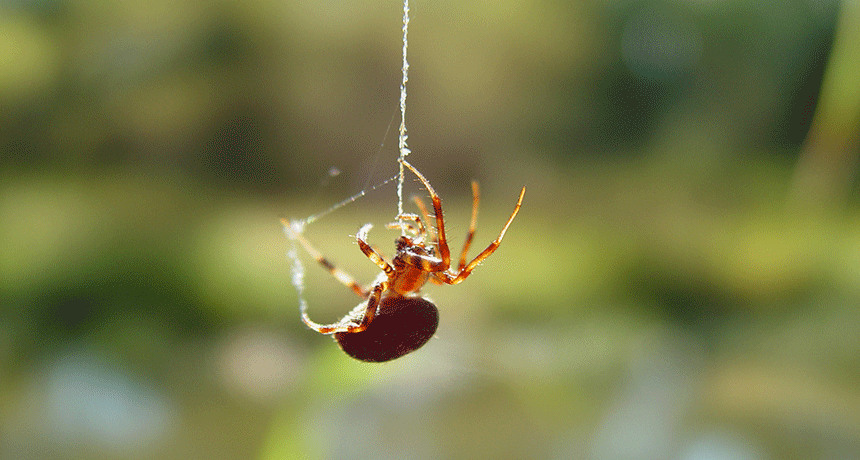
Lasers can turn a spider’s silk into sculptures
Spider silk is strong and super-stretchy. Scientists have developed a way to sculpt that material into unusual, micro-scale shapes using lasers.
- Chemistry
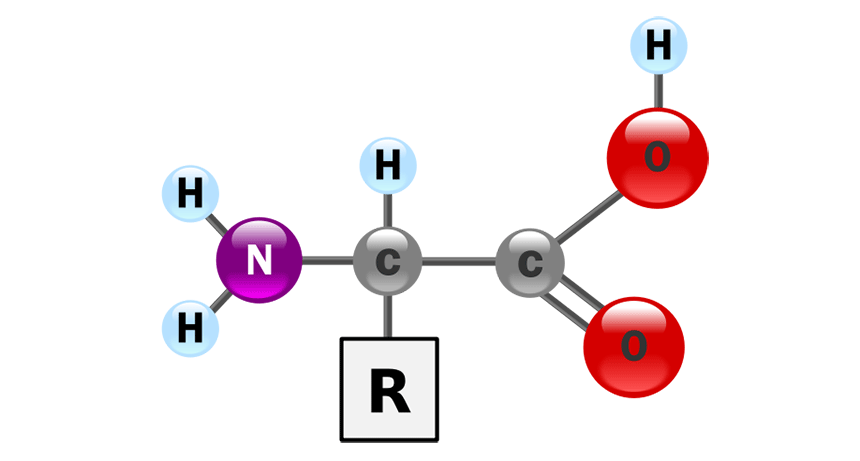
Scientists Say: Amino Acid
Amino acids are small molecules that make up proteins and serve as messengers in our cells.
- Animals
Tiny T. rex arms were built for combat
The fearsome T. rex had more than a mouth full of killer teeth. Its relatively tiny arms also could have served in close combat as powerful slashers.
- Health & Medicine
Scientists Say: Vestigial
This adjective is used to describe something — like a body part or organ — that doesn’t have a function. Often it is smaller or less developed than the functional version in another species.
- Climate
Tropics may now emit more carbon dioxide than they absorb
Analyses of satellite images suggest that degraded forests now release more carbon than they store.
- Climate
Thawing mosses tell a climate change tale
Plants long entombed beneath Canadian ice are now emerging. They’re telling a story of warming unprecedented in the history of human civilization.
- Animals
How these poison frogs avoid poisoning themselves
Genetic changes protect poison dart frogs from a toxin, but those changes also cause ripple effects.
- Earth
Cool Jobs: Unearthing the secrets of soil
In ordinary soil, scientists can find clues to past civilizations, evidence to catch criminals and bacteria that might help fight global warming.
- Animals
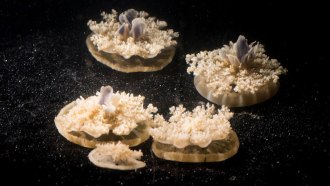
Surprise! Some jellyfish appear to need their zzz’s
Some upside-down jellyfish are the first known creatures lacking a brain to enter a sleeplike state.
- Animals
Scientists Say: Luminescence
Light and heat don’t always have to go together! Luminescence is what occurs when a substance emits light without making heat.