Life
- Chemistry
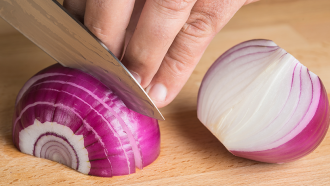
Why onions make us cry
Researchers add another piece to the molecular puzzle biochemists have tried to solve for decades — why onions can make our eyes tear up.
- Animals
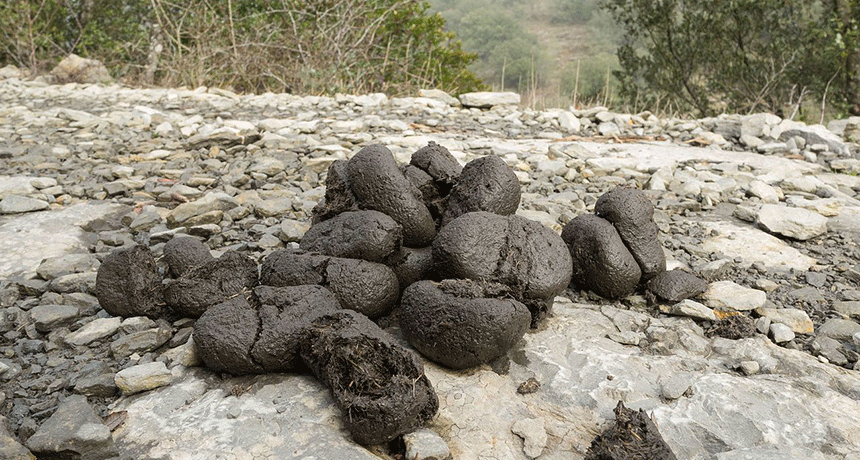
Scientists Say: Dung
This word is used to refer to animal poop. You know, manure. Crap. Feces.
- Animals
Cool Jobs: Puzzling over proteins to study life and death
Scientists are using proteins to understand dinosaur family trees, to fight malnutrition with a peanut-butter mix in Africa and to make “Google maps” of human cells.
- Genetics
Genes may predict how well the flu vaccine will work in young people
The activity of nine genes predicted how well people 35 and under would respond to the flu vaccine.
- Earth
Expedition finds South Pacific plastic patch bigger than India
A giant, floating ‘garbage patch’ in the South Pacific off Chile’s coast is mostly tiny bits of plastic.
- Brain
Spying on brains in action
New tools let scientists see inside the brain and nervous system as their research subjects move around.
- Animals
Light pollution can foil plant-insect hookups
An experiment in remote European meadows shows that light pollution at night can affect the pollination of flowers — even into sunlight hours.
- Health & Medicine
The five-second rule: Designing an experiment
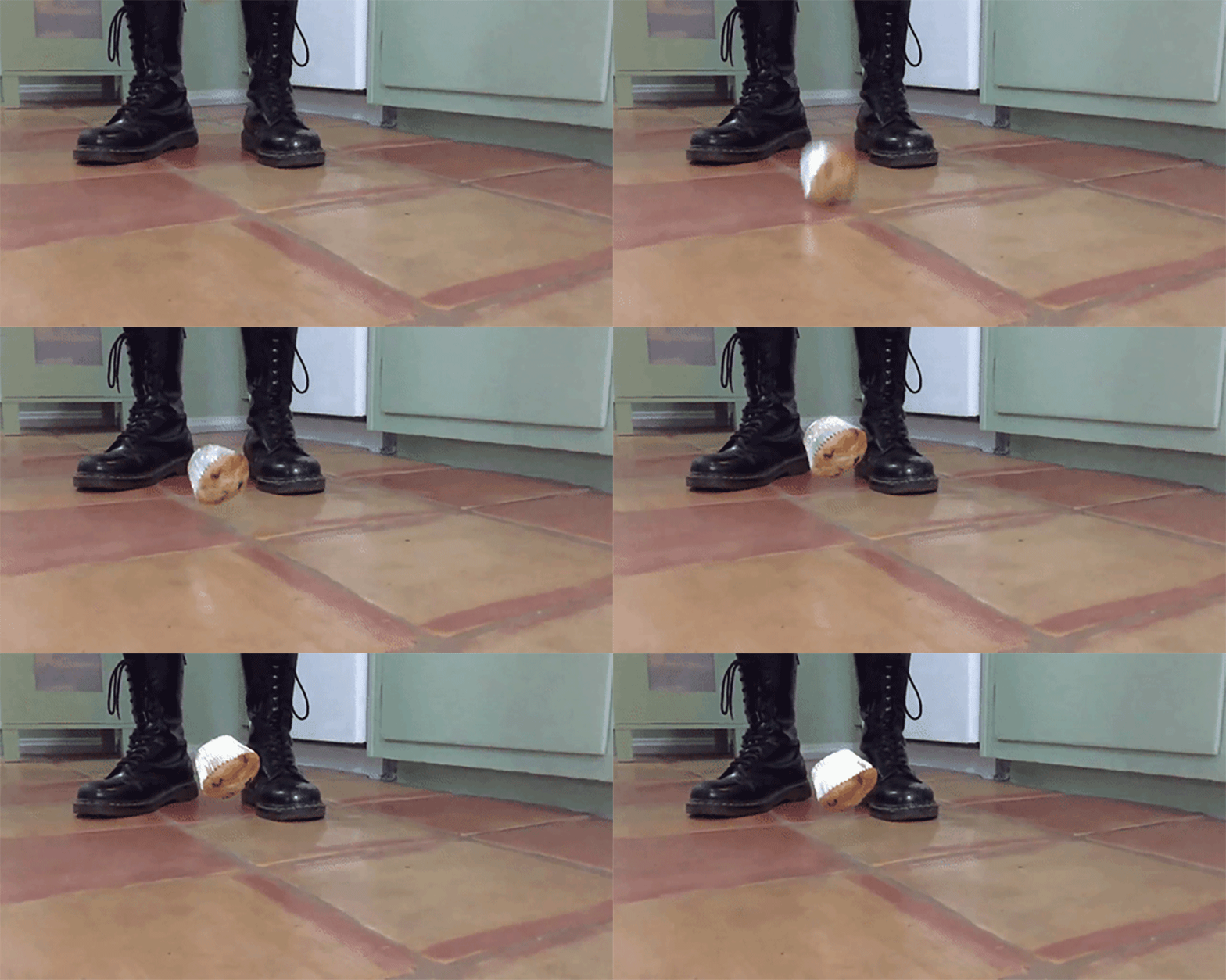
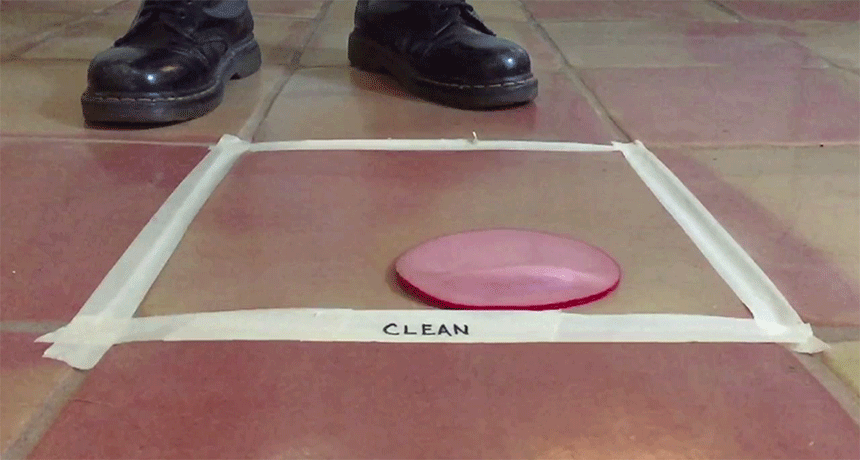
Is it true that food is still clean if it’s picked up off the floor before five seconds have passed? To find out, we designed an experiment to give us data.
- Health & Medicine
The five-second rule: Growing germs for science
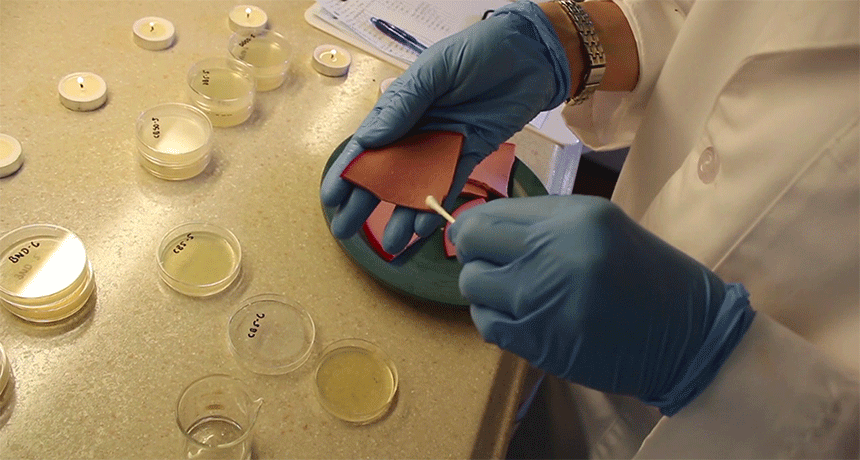
Is it true that food dropped on the floor and picked up after five seconds is clean? To find out, we’re building an incubator and allowing any hitchhiking germs to grow.
- Health & Medicine
The five-second rule: Myth busted?
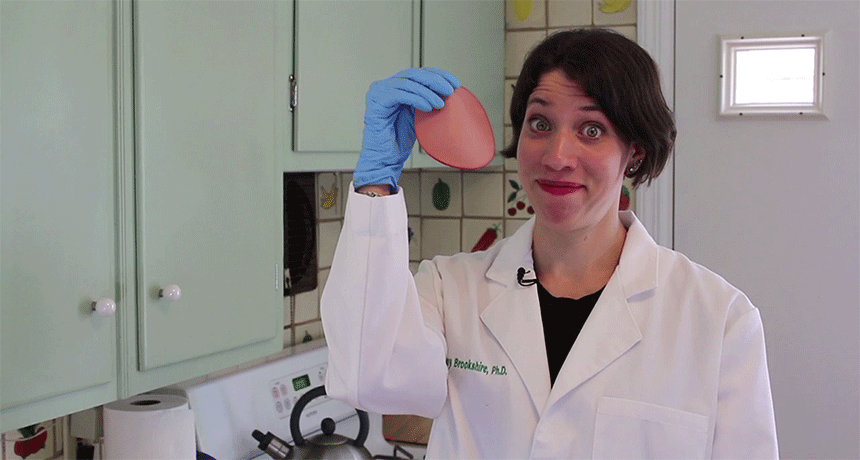
We’ve done an experiment to test the five-second rule. Now it’s time to analyze the data. Be forewarned: They’re not appetizing.
- Health & Medicine
The five-second rule: Microbes can’t count
A good scientific study compares results to what other scientists have done. These scientists have all debunked the five-second rule.
- Animals
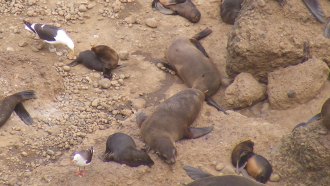
Poop-eating gulls can be pain in the butt for seal pups
The birds can harm baby fur seals as they try to dine on fresh parasites in the pups’ feces.