Life
- Chemistry
When bitter + bitter = sweet
Two artificial sweeteners lose their bitter aftertastes when combined together. Scientists have just figured out why.
- Animals
Sucking blood isn’t an easy life, even for vampires
Real vampires include bats, insects and even birds. And they’ve had to develop novel ways of dealing with a diet of blood.
- Health & Medicine
Sweat-slurping ‘aliens’ live on your skin
Archaea are famous for living in extreme environments. Now scientists find they also inhabit skin, where they seem to enjoy sweat.
- Animals
Why are cicadas such clumsy fliers?
Chemical clues in the cicada’s wing may help explain why the bulky insect is a lousy flier.
- Health & Medicine
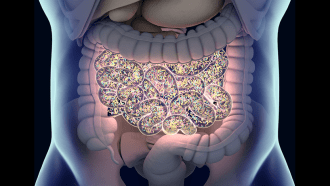
How bugs in your gut might hijack your emotions
Tiny molecules in the brain may help bugs in the gut hijack people’s emotions. That’s the conclusion of some new research.
- Brain
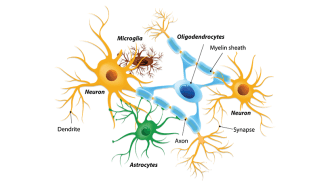
Scientists Say: Glia
Scientists used to think glial cells did nothing more than glue the brain together. Now we know they do much, much more.
- Plants
Cool Job: Rethinking how plants hunt for water
Studies probing the very beginnings of root development may have important implications for growing food in a world where the climate is changing.
- Brain
Could Zika become a cancer treatment?
The same virus that provoked fear over causing birth defects, last year, may have a beneficial alter ego. Scientists find it may kill cells destined to form deadly brain tumors.
- Health & Medicine
Good germs lurk in gross places
What do poop, dog drool and snot have in common? Though disgusting, they all carry microbes that can help keep people healthy.
- Chemistry
Super-chilled imaging technique brings its developers the Nobel Prize in chemistry
Three men who helped develop a super-high-resolution imaging technique for proteins, viruses and more received the 2017 Nobel Prize in chemistry.
- Animals
To become Australians, these spiders crossed an ocean
The ancestors of a species of trapdoor spider must have survived a journey from Africa, a new genetic analysis finds.
- Brain
Understanding body clocks brings three a Nobel Prize
Three American men will share this year’s Nobel prize for physiology or medicine. The award recognizes their contributions to understanding the workings of the body’s biological clock.