All Stories
- Animals
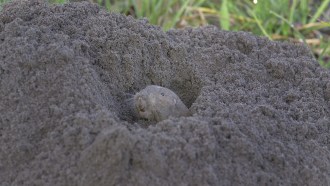
Gophers might be farmers, a controversial study suggests
Pocket gophers air out and fertilize the soil in a way that amounts to simple farming, two researchers claim. But not everyone agrees.
- Chemistry
Scientists Say: Pigment
From fruits to fur to fine art, many materials get their colors from compounds called pigments.
- Animals
Great white sharks may be partly to blame for the end of megalodons
Zinc levels in shark teeth hint that megalodons and great whites competed for food — and great whites won.
- Health & Medicine
Teen arm wrestlers face risk of an unusual elbow break
The pointy part of the inner elbow can break in arm wrestling, especially among teens whose bones are still growing.
- Ecosystems
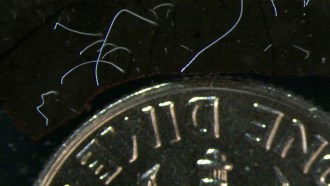
This giant bacterium lives up to its name
The newly discovered Thiomargarita magnifica is about the size of your eyelash and is surprisingly complex.
- Physics
Let’s learn about music
Researchers are delving into how instruments and spaces shape our experience of music, and how computers could play a role in the future of music-making.
- Chemistry
Scientists Say: Proton
These positively charged particles are important building blocks in atoms.
- Animals
Like an octopus, this glove lets fingers grip slippery objects
The octopus-inspired suckers on each fingertip grab and release objects on demand.
- Animals
Why these jumping toadlets get confused mid-flight
The tiny pumpkin toadlet tumbles when it jumps. Its ear canals may be too tiny to help the animal track its motion through the air.
- Animals
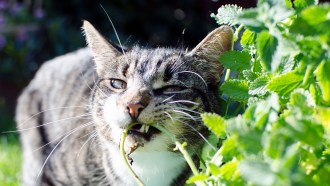
Catnip’s insect-repelling powers grow as Puss chews on it
Damaging the leaves boosts the plant’s chemical defenses — and their appeal to cats.
- Physics
Scientists used lasers to make ‘smoke rings’ of light
Physicists had a bright idea: Make light into swirling, ring-shaped vortices, similar to smoke rings or bubble rings.
- Animals
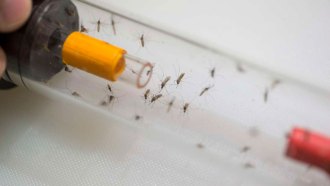
Sleepy mosquitoes prefer dozing over dining
Mosquitoes repeatedly shaken to prevent slumber lagged behind well-rested ones when offered a leg to feed on.