All Stories
- Science & Society
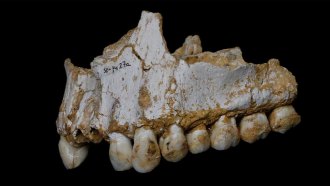
Fossils point to Neandertal diets — and medicine use
Whether Neandertals were largely meat-eaters or vegans depended on their environment, fossils now suggest. Their teeth also indicate they used natural medicines.
- Brain
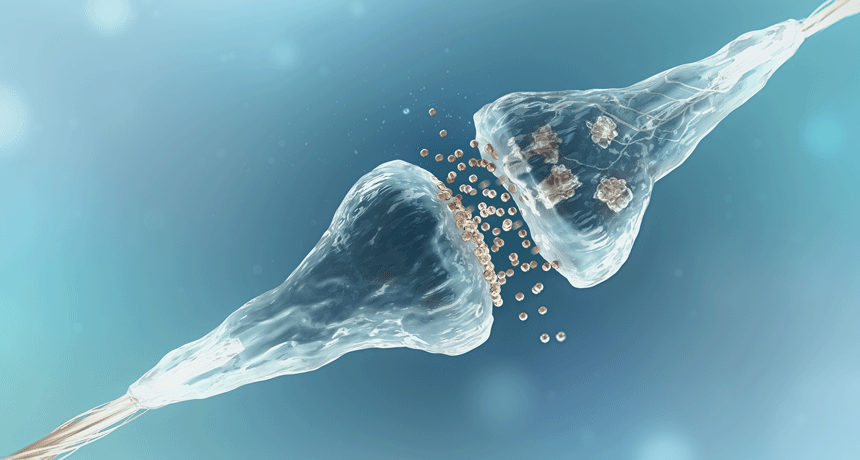
Scientists Say: Synapse
When brain cells need to pass messages, they do it without touching, across a space called a synapse.
- Psychology
People tend to tune out details of ‘female’ jobs
Stories about people performing ‘women’s’ jobs are less memorable, a teen’s research finds.
- Earth
Deep-sea dump: Trash is collecting on the Arctic seafloor
Trash is building up on the bottom of the Arctic Ocean, including plastic bags, glass shards and fishing nets.
- Science & Society
Cool Jobs: Reaching out to E.T. is a numbers game
From figuring out if we’re alone in the universe, to writing messages to aliens, scientists use math in many ways in their search for extraterrestrial intelligence.
- Archaeology
Silk Road’s origins may date back millennia
The mountain treks of ancient herders helped mold a cross-continent trade network known as the Silk Road.
- Environment
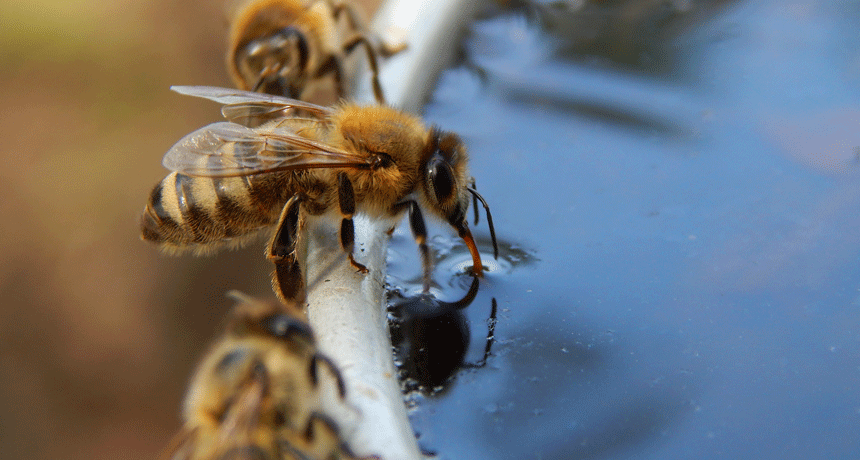
Cleaning up water that bees like to drink
Plant roots suck up pesticides used on soils, then release them into water that can seep from their leaves. This is a sweetened water that bees love to sip. A teen figured out how to remove most of the pesticide with bits of charcoal.
- Science & Society
Should we call out to space aliens?
Scientists have been listening to space for decades, hoping to pick up alien signals. Now some have proposed we try broadcasting a welcome call.
- Animals
Frog’s gift of grab comes from saliva and squishy tissue
What puts the grip in a frog’s high-speed strike? Quick-change saliva and a super-soft tongue, scientists find.
- Planets
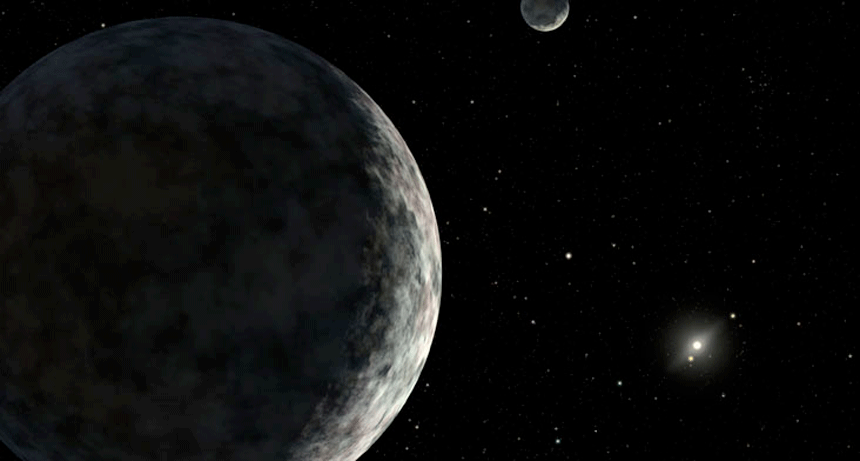
Scientists Say: Dwarf planet
Dwarf planets are distinct from the full-size models. A little too small, they also have a lot of space stuff filling their path around the sun.
- Physics
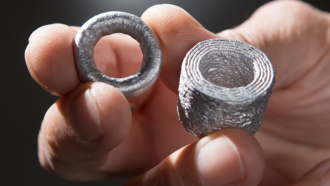
Father and son harness magnetic fields for new type of 3-D printing
A dad and his son have developed a new 3-D printing method in their basement. It harnesses pulsed magnetic fields to build metal objects one tiny aluminum drop at a time.
- Animals
Cool Jobs: A world aglow
Three scientists probe how the natural world makes light, in hopes of using this information to design new and better products.