All Stories
- Brain
Study links ADHD to five brain areas
A new international study shows that the brains of children with ADHD are different from those in people without this condition.
- Physics
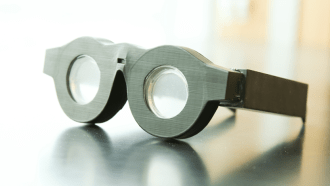
Auto-focus eyeglasses rely on liquid lenses
Engineers have designed what could be the last eyeglasses anyone would need. Right now, they’re bulky but smart. Liquid lenses are key to their adjustability — and those lenses focus automatically.
- Animals
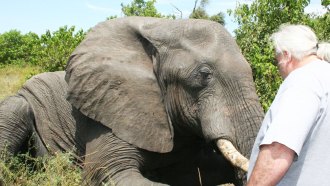
Wild elephants sleep for only two hours at night
New measurements suggest that wild elephants may need less sleep than any other mammal.
- Plants
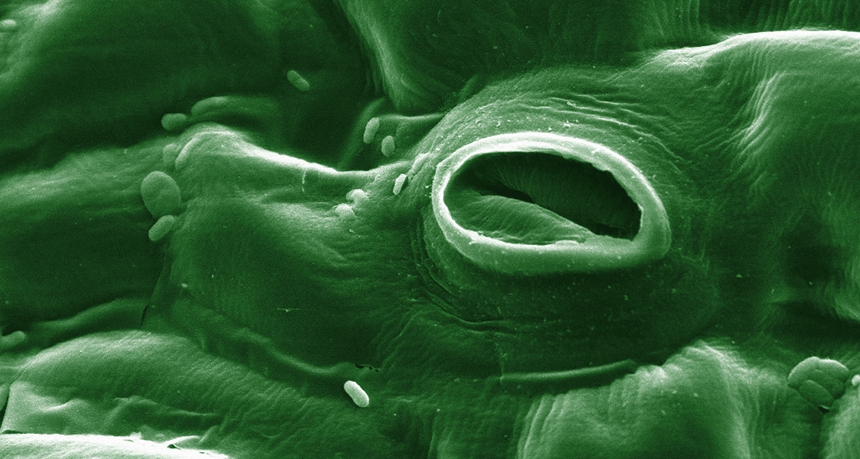
Scientists Say: Stomata
Plants have pores they open and close to let oxygen, carbon dioxide and water vapor in and out. These pores are called stomata.
- Fossils
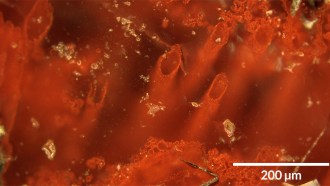
Fossils offer new candidate for earliest life
Rock unearthed in Canada appears to hold fossils from seafloor microbes that would have lived around 4 billion years ago, when Earth was very young.
- Brain
Anxious about math? Your brain may tackle simple problems differently
A study found more variable brain activity in people who get nervous about math problems than those who do not.
- Ecosystems
America’s duck lands: These ‘potholes’ are under threat
North America’s prairies are in trouble. Scientists race against the clock for clues about how to save the plants — and animals — that call it home.
- Chemistry
Did your burger come with a side of non-degrading pollutants?
Perfluorinated compounds pollute the environment and might harm human health. A new study shows that one place they often show up is the paper and cardboard used to package fast foods.
- Math
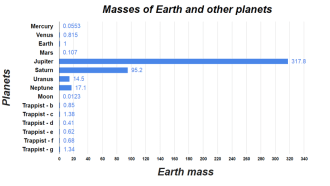
Analyze This: The masses of planets
Scientists discovered a solar system with planets that are similar in size and mass to Earth. Using data, we take a closer look at that similarity.
- Health & Medicine
Analyze This: Zika and microcephaly
Data from pregnant women with Zika in Colombia helped scientists probe whether Zika causes birth defects.
- Science & Society
Will we know alien life when we see it?
The hunt is on for extraterrestrials. But recognizing them may require some wiggle room in what we define as being alive.
- Earth
Keeping space missions from infecting Earth and other worlds
Scientists are always looking for ways to stop Earthly microbes from polluting other planets. The same goes for bringing bits of other planets back to Earth.