
All Stories by Bethany Brookshire
- Health & Medicine
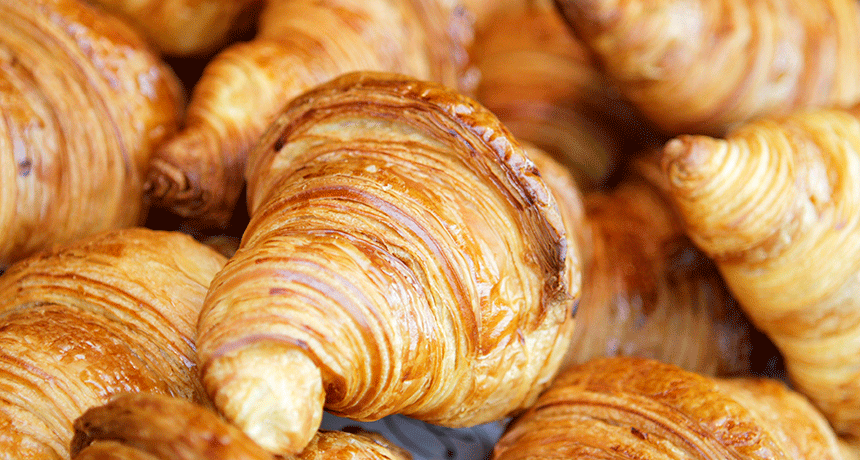
Science-fair finding allows girl to sample a croissant
Some supplements claim they can help people with celiac disease, who cannot digest gluten. But do the pills work? One teen used science to find out.
- Health & Medicine
Which bacteria hang out in belly buttons? Here’s a who’s who
Bacteria are everywhere — even in our belly buttons. One teen at Intel ISEF decided to find out what types people were harboring in their navels.
- Life
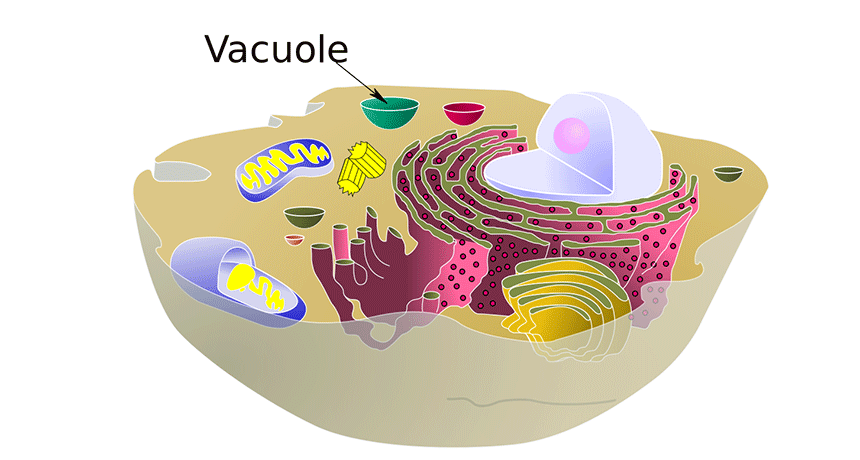
Scientists Say: Vacuole
Cells can’t always get rid of trash or digest food immediately. This week’s word describes where they store their stuff.
- Animals
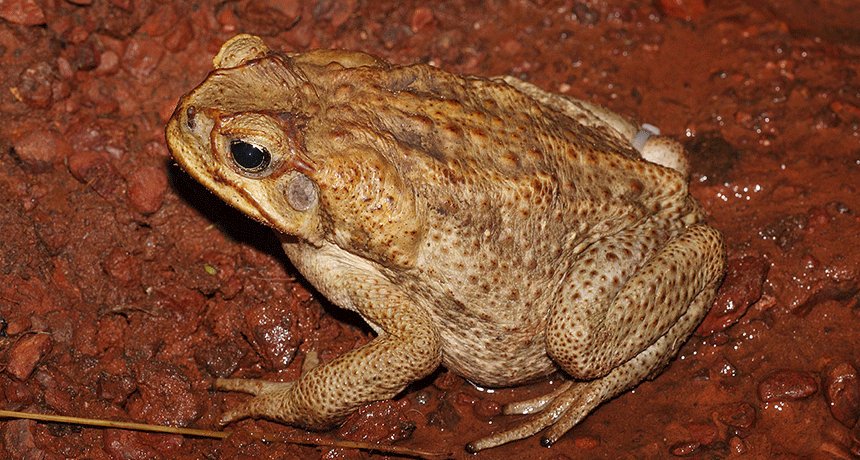
Scientists Say: Invasive species
These are foreign species that are causing problems for native organisms and ecosystems.
- Physics
Star Wars‘ cutest droids would get stuck on the beach
On screen, R2D2 and BB-8 travel over every type of terrain. But in real life, any sandy path would stop these droids short.
- Health & Medicine
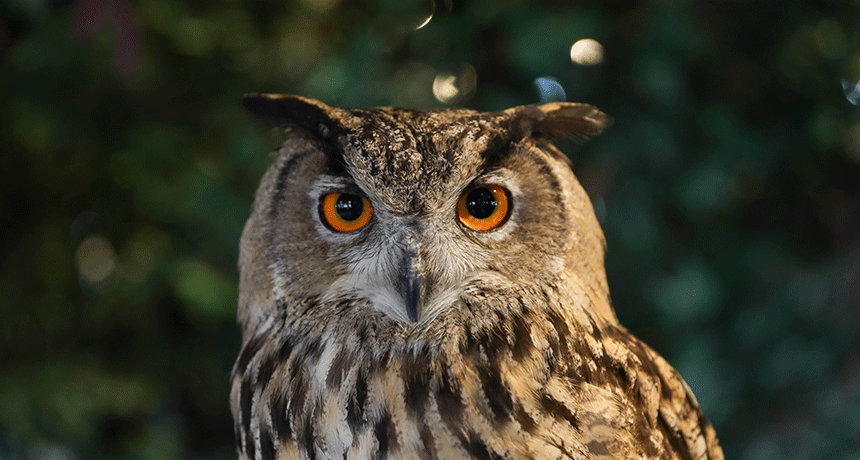
Scientists Say: Nocturnal and diurnal
Nocturnal animals are active at night. Diurnal animals live it up during the day.
- Life
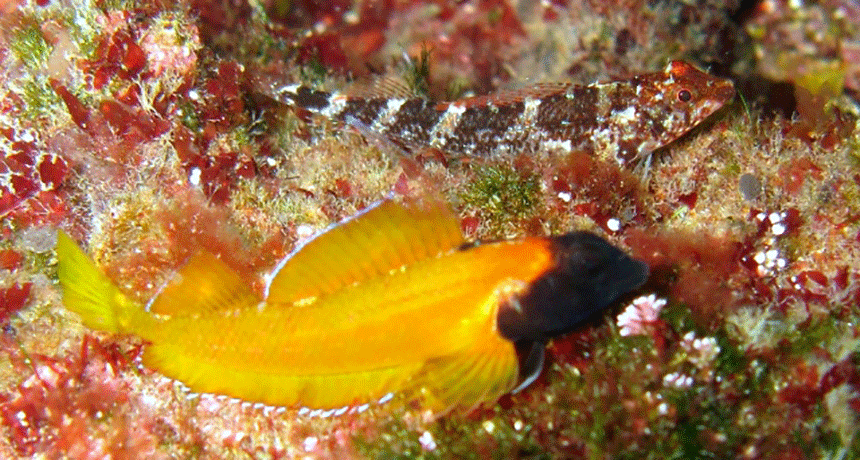
These fish have truly flashing eyes
A reef fish can send flashes of light from its eyes. This trick might help the fish track its prey.
- Animals
Nature shows how dragons might breathe fire
Fire-breathing dragons can’t live anywhere outside of a book or TV. But nature provides some guidance as to how they might get their flames. If they existed, anyway.
- Life
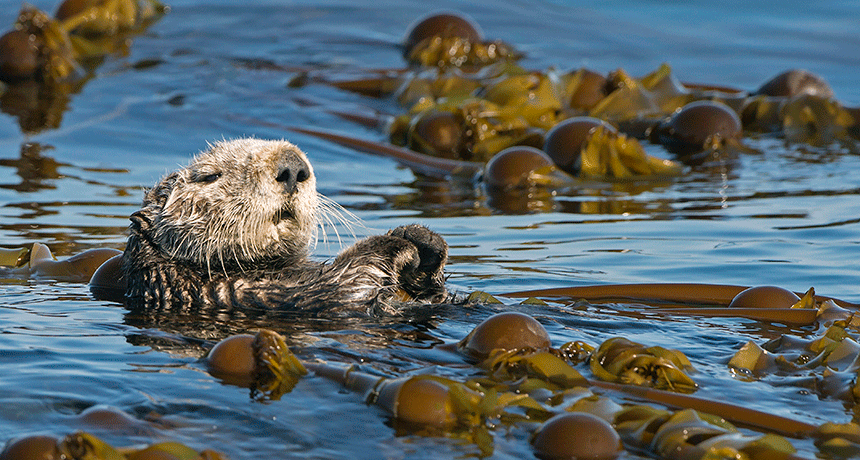
Scientists Say: Kelp
Kelp is a kind of seaweed that forms huge forests under the ocean. But it isn’t a plant; it’s a type of algae.
- Math
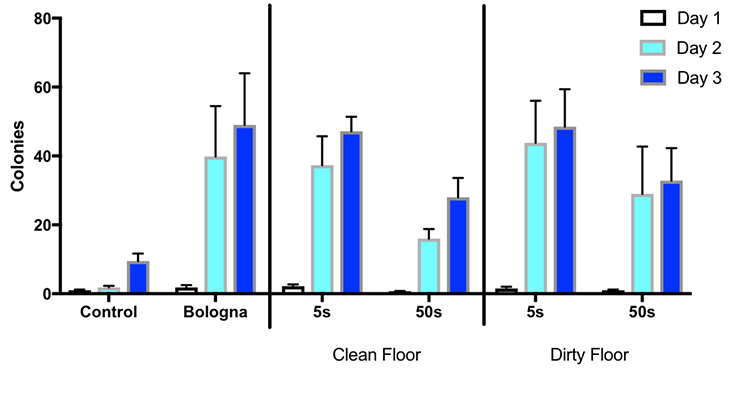
Scientists Say: Uncertainty
In science, uncertainty is a term used to express how much data might vary around a measured point.
- Health & Medicine
Scientists Say: Lactose
You might not think of dairy products having sugar, but they do. Milk is rich in a sugar called lactose.
- Space
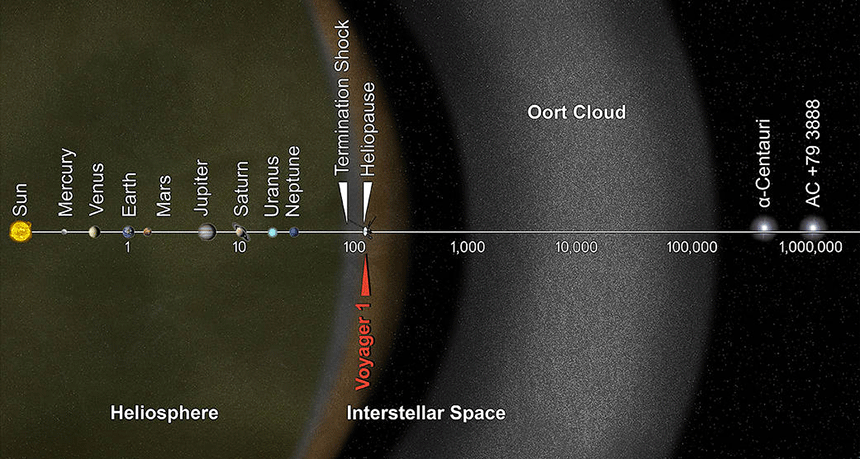
Scientists Say: Oort cloud
The very edge of our solar system is a crowded place. It’s full of ice and rocks in a bubble called the Oort cloud.