All Stories by Science Buddies
- Humans
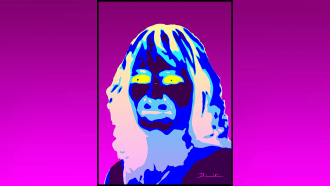
Experiment: Discover the science behind afterimages
By observing afterimages, you can learn how different cone cells in the retina respond to various colors.
- Chemistry
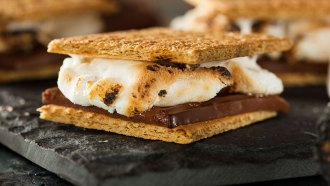
Experiment: Make your own marshmallows!
Soft, sticky marshmallows can be made with just three ingredients. Finding the right ratio of sugar and corn syrup is key to making this sweet treat.
- Physics
Experiment: Measure fake blood spatter
Future forensic scientists, get out your corn syrup and red food coloring! It’s time to fake a crime scene.
- Environment
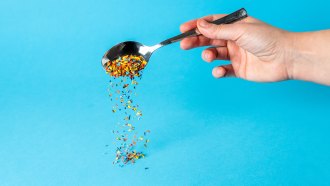
Experiment: Remove microplastics from water with yeast
Learn how yeast can be used to remove microplastics from contaminated water with this experiment.
- Humans
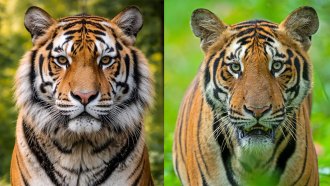
Experiment: Can humans recognize AI-generated images?
An AI-made picture of an animal or flower might seem harmless, but fake images of people or events can spread misinformation.
- Oceans
Experiment: Build your own beach!
Summer is a time for sun and sand. If you live inland, build your own mini beach in this science experiment.
- Earth
Build your own seismograph with this science activity
By recording earthquakes, seismographs help scientists better understand and hopefully predict quakes.
- Earth
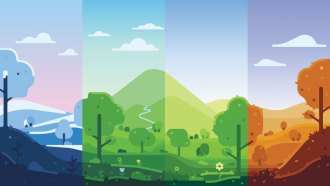
Experiment: How does the tilt of Earth’s axis affect the seasons?
Seasons have nothing to do with Earth’s distance from the sun. The real reason for the seasons is the tilt of Earth’s axis.
- Earth
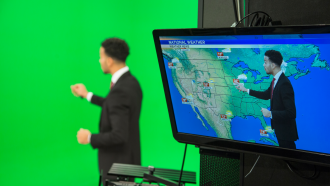
Experiment: Weather and climate in your neighborhood
In this experiment, use historical weather data to investigate how weather and climate conditions have changed in your area over time.
- Physics
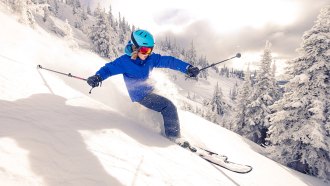
Why are skis so long?
Let’s strap skis to an action figure to see how long sticks of wood help people glide gracefully over snow.
- Plants
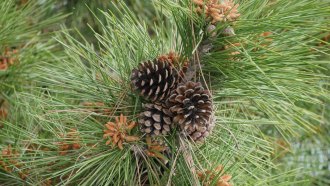
Unlock pinecone secrets with this science activity
Let’s find out how pinecones respond to different temperatures — by mimicking changes in weather from the comfort of our own kitchens!
- Chemistry
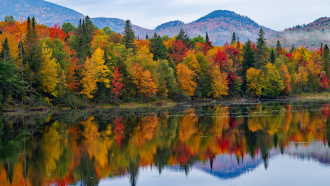
Uncover leaves’ hidden colors in this science activity
Let’s use a technique called paper chromatography to separate the pigments lurking in tree leaves.