HS-ESS2-2
Analyze geoscience data to make the claim that one change to Earth's surface can create feedbacks that cause changes to other Earth systems.
- Climate
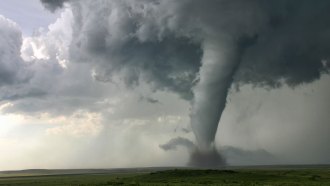
Let’s learn about tornadoes
Tornadoes are often spawned by thunderstorms — but can also emerge from hurricanes and wildfires.
- Climate
The ‘Doomsday’ glacier may soon trigger a dramatic sea-level rise
The ice shelf that had kept it in place could fail within five years. That would speed the glacier’s slip into the ocean, boosting a rise in sea levels.
- Earth
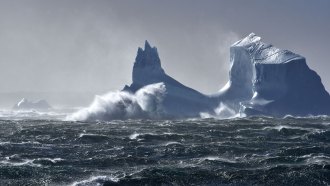
From icebergs to smoke, forecasting where dangers will drift
Smoke drifts. Fish eggs float downstream. Where such drifting things end up may seem a mystery. But research can predict where they’ll end up.
- Earth
Scientists Say: Avalanche
The word avalanche usually refers to a huge snowslide down a mountain, but it can also be used to describe any large mass of material tumbling downhill.
- Earth
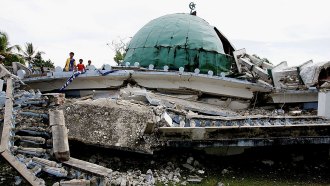
What can ‘silent earthquakes’ teach us about the next Big One?
Earthquakes usually last seconds. But sometimes, they can last days, or even years. Here’s what scientists are learning about these “slow-slip events.”
- Earth
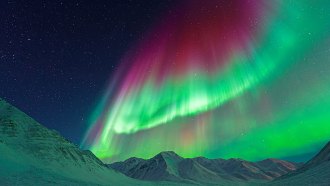
Let’s learn about auroras
A gust of charged particles from the sun called the solar wind lights up auroras on Earth — and on other planets.
- Earth
Scientists Say: Magma and lava
The word magma refers to molten rock deep inside Earth. That rock is called lava when it reaches Earth’s surface.
- Climate
Warming cities may see more rain — and frequent flooding
Scientists are seeking to understand why and how to mop up excess precipitation.
- Climate
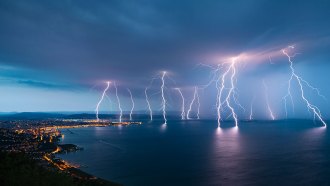
Let’s learn about lightning
Around 100 times a second, every hour of every day, lightning strikes somewhere on Earth. It’s beautiful — and deadly.
- Climate
COVID-19 cut pollution in 2020, warming the atmosphere
Pandemic-related lockdowns briefly warmed the planet. The reason: The cleaner air carried fewer planet-cooling aerosols.
- Ecosystems
What you can do to improve soils
Soils are the life-sustaining structures under our feet. Here are some tips for keeping soils healthy. First rule of thumb: Give more than you take.
- Climate
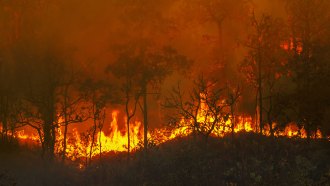
Can wildfires cool the climate?
Severe wildfires are becoming more common. Science is showing that the tiny particles they release into the air can alter Earth’s temperature — sometimes cooling it.