HS-ETS1-2
Design a solution to a complex real-world problem by breaking it down into smaller, more manageable problems that can be solved through engineering.
- Materials Science
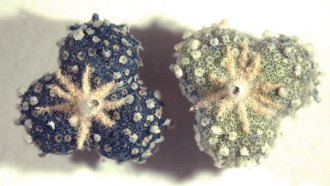
Silk-based microneedles may help treat diseased plants
Engineers have invented silk microneedles to inject medicines into plants. One day farmers might use drones to dart their sick plants with meds from the air.
- Health & Medicine
Waiting for a ‘smart’ toilet? It’s nearly here
With every bathroom visit, we flush away important health data. Scientists hope to change that with 'smart toilets' that analyze your body’s output.
- Science & Society
A first: Commercial rocket takes humans into space
Two NASA astronauts aboard the privately built Crew Dragon capsule are the first to be sent into orbit from U.S. soil since 2011.
- Life
Planets with hydrogen skies could harbor life
Microbes can live in a hydrogen atmosphere. This points to new space worlds that host alien life.
- Chemistry
Ancient recipes helped scientists resurrect a long-lost blue hue
Led by medieval texts, scientists hunted down a plant and used its fruit to make a blue watercolor with mysterious origins.
- Math
Why sports are becoming all about numbers — lots and lots of numbers
Sports once focused on muscles, skill and tactics. Now math is becoming almost as important. It helps assess players — and improve their tools.
- Animals
Traces from nuclear-weapons tests offer clues to whale sharks’ ages
Traces left by nuclear-bomb testing in the 1950s and ‘60s can help researchers learn how old a whale shark is.
- Physics
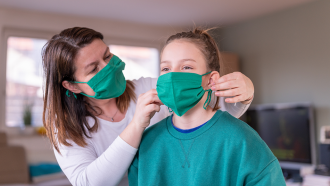
Science offers recipes for homemade coronavirus masks
New studies provide data on what types of mask materials protect best against the virus that causes COVID-19. They also point to the value of a really snug fit.
- Materials Science
Micro-barbs could make shots less painful
A new type of microneedle design might take the sting out of shots and stick to the skin better than other approaches.
-
Climb like a slo-mo Spiderman using this super suction robot
A whooshing ring of water keeps the robot’s vacuum from losing grip, even on rough surfaces
- Health & Medicine
Tackling the novel coronavirus calls for novel ideas
Teams around the world are proposing new innovations to fight COVID-19. Projects tackle supply shortages, new treatments, vaccines and more.
- Chemistry
COVID-19 victims could breathe easier with these innovations
Feared equipment shortages due to the COVID-19 pandemic have prompted research teams to develop novel technologies to help oxygen-starved lungs.