HS-ETS1-3
Evaluate a solution to a complex real-world problem based on prioritized criteria and trade-offs that account for a range of constraints, including cost, safety, reliability, and aesthetics, as well as possible social, cultural, and environmental impacts.
- Animals
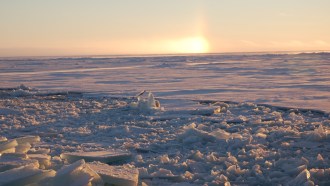
Can scientists develop an icy sanctuary for Arctic life?
The final refuge for summer sea ice may also protect the creatures that depend on it. Saving it is an ambitious goal with many hurdles.
- Chemistry
This glitter gets its color from plants, not a synthetic plastic
In the new material, tiny arrangements of cellulose reflect light in specific ways to create vibrant hues in an environmentally friendly glitter.
- Humans
Snap! High-speed video captures the physics of snapping fingers
Inspired by the infamous snap of the Avengers rival Thanos, scientists set out to investigate the physics behind finger-snapping.
- Microbes
Genes point to how some bacteria can gobble up electricity
A new study shows how some microbes absorb and release electrons — a trait that may point to new fuels or ways to store energy.
- Health & Medicine
Someday soon, smartwatches may know you’re sick before you do
Such an early detection of flu-like infections could tell you when to avoid others to limit the spread of disease.
- Physics
Future cars may offer personal sound zones — no earphones needed
Zones that offer each passenger personal listening are closer to reality. A new design improves performance by adapting to the conditions in your car.
- Chemistry
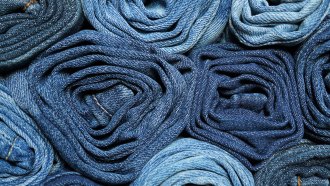
Scientists find a ‘greener’ way to make jeans blue
When coated onto jeans, a plant-based polymer reduces water and cuts the amount of toxic chemicals needed.
- Chemistry
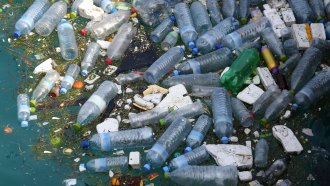
Everyday plastics can pollute, leaching thousands of chemicals
Plastic bags and containers leach potentially toxic chemicals into both food and water, but researchers yet don’t know how they might affect health.
- Tech
Will you learn better from reading on screen or on paper?
Some studies find students don’t learn as well by reading on screens as from paper. But that's not always true. Here’s how to make the most of reading in either format.
- Chemistry
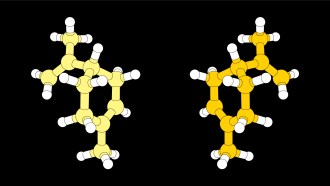
Chemists win Nobel Prize for faster, cleaner way of making molecules
Both scientists independently came up with new process — asymmetric organocatalysis. That name may be a mouthful, but it’s not that hard to understand.
- Brain
A sense of touch could upgrade virtual reality, prosthetics and more
Scientists and engineers are trying to add touch to online shopping, virtual doctor appointments and artificial limbs.
- Climate
Research on climate and more brings trio the 2021 physics Nobel Prize
Syukuro Manabe and Klaus Hasselmann pioneered work on simulations of Earth’s climate. Giorgio Parisi probed complex materials.