HS-LS1-2
Develop and use a model to illustrate the hierarchical organization of interacting systems that provide specific functions within multicellular organisms.
- Animals
Hummingbird tongues may be tiny pumps
Scientists had thought that hummingbird tongues work through capillary action. A new study, though, concludes they work like little pumps.
- Health & Medicine
New treatments may rally ex-president’s fight against cancer
Former President Jimmy Carter has a potentially lethal type of skin cancer that has already spread to his liver and brain. Recent improvements in medicine may help him fight it.
- Brain
Explainer: The nico-teen brain
Both e-cigarettes and tobacco products can release large amounts of nicotine during use. Nicotine is the chemical that makes tobacco addictive — and the teen brain is especially vulnerable to it.
- Animals
Picture This: The real ‘early bird’
Long before dinosaurs went extinct, birds were emerging on Earth. These hummingbird-size wading birds are the earliest known ancestors of today’s birds.
- Health & Medicine
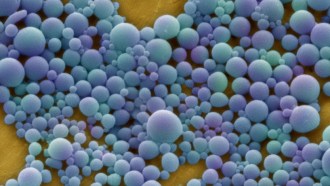
Injected nanoparticles treat internal wounds
Soldiers wounded in a bombing could be treated with a shot of specially designed nanoparticles that stop bleeding and inflammation in the lungs.
- Health & Medicine
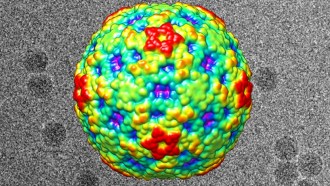
New virus may have given kids polio-like symptoms
More than 100 U.S. children developed a paralyzing illness in 2014. Genetic evidence now suggests that the most likely culprit is a new form of a virus in the polio family.
- Health & Medicine
Peanuts for baby: A way to avoid peanut allergy?
Making peanut products a baby food could head off life-threatening peanut allergies later, new data show.
- Health & Medicine
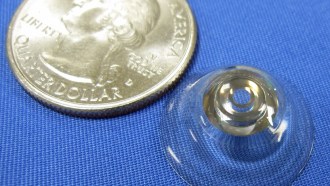
Vision-ary high tech
New devices are being developed to improve, restore or preserve the vision of people with eye diseases, such as glaucoma and macular degeneration. One device is a telescopic contact lens than can be zoomed with a wink.
- Health & Medicine
Scientists say: Inflammation
When cells are injured, they send out distress signals. The rescuing cells cause more blood to flow to the area, producing inflammation.
- Brain
Nano air pollutants strike a blow to the brain
Most people think that air pollution poses the biggest risk to our lungs. In fact, pollution hits the brain too, sometimes by traveling a direct route — through our noses. These tiny pollutants can harm IQ and more.
- Brain
Scents may affect how appealing tobacco is
Menthol’s effects on the brain may make tobacco more addicting. In contrast, foul odors might help smokers quit. Two new studies show how.
- Health & Medicine
The secret of fast runners: symmetry
Science had shown that animals and people with symmetrical bodies tend to be stronger and healthier. Now researchers find they can predict the best sprinters by measuring the top runners’ knees.