HS-LS2-7
Design, evaluate, and refine a solution for reducing the impacts of human activities on the environment and biodiversity.
- Animals
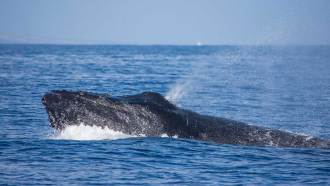
Whale blowholes don’t keep out seawater
Whales’ blowholes aren’t as protective as scientists had thought. They not only can let in water but also pollutants.
- Ecosystems
Soggy coastal soils? Here’s why ecologists love them
Coastal wetlands can protect our shores from erosion, flooding and rising sea levels.
- Agriculture
Pesticides contaminate most food of western U.S. monarchs
Monarch caterpillars eat only milkweeds. A new study finds widespread pesticide use has tainted these plants across the insect’s western U.S. breeding grounds.
- Health & Medicine
Deadly heat: Expected by century’s end, it’s here already
Instances of hot and humid conditions that threaten human lives are on the rise.
- Materials Science
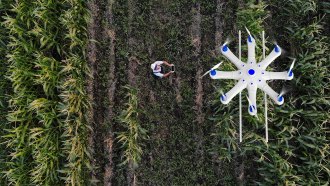
Silk-based microneedles may help treat diseased plants
Engineers have invented silk microneedles to inject medicines into plants. One day farmers might use drones to dart their sick plants with meds from the air.
- Environment
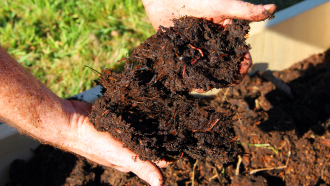
Greener than burial? Turning human bodies into worm food
Composting human bodies yielded good results — and good soil — in one small study. It could become an alternative to burial or cremation in one state.
- Animals
Conservation is going to the dogs
Scientists are now training dogs to help track rare, elusive — and sometimes invasive — plants and animals.
- Animals
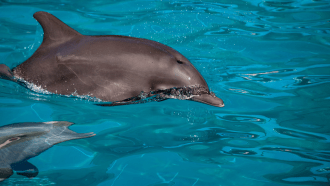
Drones might one day capture a dolphin’s breath in midair
High-speed footage of dolphin spray reveals that droplets blast upward at speeds close to 100 kilometers per hour.
- Chemistry
Help for a world drowning in microplastics
Microplastic pollution in our oceans and lakes is a problem. Scientists are testing solutions — from more biodegradable recipes to nanotechnology.
- Animals
Healthy coral reef sounds attract fish searching for a home
Playing the sounds of a healthy reef can help attract fish to dying corals, helping rebuild their community.
- Climate
5 things to know about the climate-saving benefits of tree planting
A recent analysis of the benefits of massive efforts to plant more trees triggered a firestorm of controversy.
- Animals
‘Boot camp’ teaches rare animals how to go wild
Animals raised in captivity cannot safely re-enter the wilds without first understanding how to find food and avoid becoming a predator’s lunch. Scientists are helping some species learn this.