HS-LS2-8
Evaluate the evidence for the role of group behavior on individual and species' chances to survive and reproduce.
- Animals
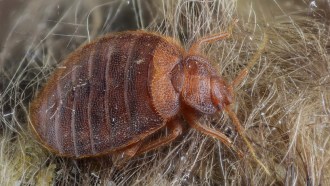
Return of the bed bug
Bed bugs have staged a comeback over the past 15 years. The bloodsucking parasites succeeded through a combination of evolution and luck.
- Animals
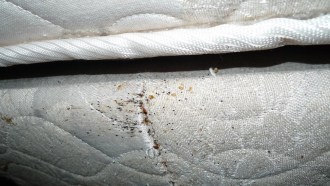
4 reasons not to ignore signs of bed bugs
Here are important reasons not to ignore signs of bed bugs. Above all, an infestation carries real risks to your health and wellbeing.
- Animals
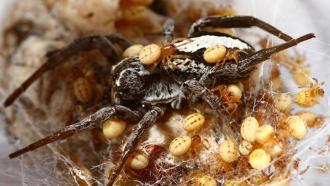
What’s for dinner? Mom.
Female spiders of one species make the ultimate sacrifice when raising their young: The mothers feed themselves to their children.
- Health & Medicine
News Brief: Ebola’s dead stay infectious for a week
The Ebola virus doesn’t die with its victims — at least not right away. A corpse may host live virus for up to a week after death, a new study finds.
- Health & Medicine
Movies may tempt teens to drink
British 15-year-olds were more likely to binge-drink or have alcohol-related problems if they watched movies with plenty of onscreen drinking.
- Health & Medicine
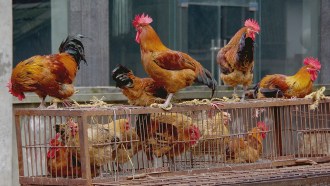
Chickens spread latest deadly bird flu
A new bird flu virus threatens to spread outside of China. Experts traced the germ to markets where live chickens are sold.
- Climate
Desert plants: The ultimate survivors
Creosote, mesquite and other desert plants rely on different adaptations to thrive, even when no rain falls for an entire year.
- Animals
Picture This: Winter brings white noses
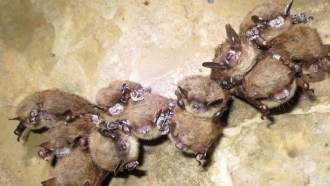
White-nose syndrome, caused by a fungus, has killed millions of bats in the eastern United States. Now, scientists show that the disease comes and goes, by season. The finding could help scientists more effectively target any treatments.
- Genetics
Germs help each other fend off antibiotics
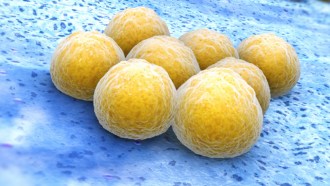
Drug-resistant bacteria can cause persistent infections. A new study finds these germs fight drugs in different ways. And they can swap various compounds, increasing their neighbors’ chances of overcoming the drugs meant to kill them.
-
Food can make an appetizing science fair project
Many students think they need a laboratory or special equipment for a winning research project. But finalists at the Broadcom MASTERS competition showed food-based research may require little more than your home kitchen
- Animals
Fish just wanna have fun
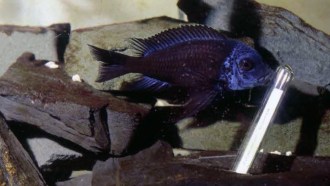
Although biologists have observed fish playing before, scientists have now recorded hours of video showing a new type of antic in fish.
- Animals
Germs explain some animal behaviors
The bacteria that people and other animals host in and on their bodies are invisible to the eye. Yet they can play a very visible role in behavior. It’s something scientists are just coming to appreciate.