HS-LS2-8
Evaluate the evidence for the role of group behavior on individual and species' chances to survive and reproduce.
- Animals
Scientists Say: Camouflage
Plants and animals alike hide in plain sight using this sneaky strategy.
- Environment
Pumping cold water into rivers could help fish chill out
Hundreds of salmon, trout and other fish sought shelter from summer heat in the human-made cool zones. These areas may help fish adapt to river warming.
- Animals
These jellyfish can learn without brains
No brain? No problem for Caribbean box jellyfish. Their simple nervous systems can still learn, a study suggests.
- Plants
Young corn leaves can ‘smell’ danger
As they mature, these leaves lose their ability to detect threatening scents.
- Plants
Scientists Say: Fertilize
This word describes both a stage of sexual reproduction and the agricultural practice of adding nutrients to soil.
- Animals
Invertebrates are pretty clever, but are they conscious?
Scientists are designing experiments to test whether these animals have self-aware experiences as we do.
- Animals
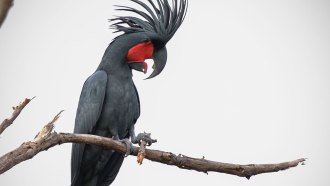
Some cockatoos craft drumsticks, then woo mates like a rockstar
To win over a gal, these flashy males craft and use their signature instruments in a musical display akin to a human rock concert.
- Tech
Meet robots on a mission to help birds
A new generation of bird-like robots is helping people better understand and protect the wild animals that inspired them.
- Animals
Toothed whales use their noses to whistle and click
Much as people do, toothed whales, such as dolphins and sperm whales, make noises in three different vocal registers.
- Animals
Let’s learn about beetles’ survival superpowers
Some beetle species can survive extreme pressure, dehydration or even getting eaten.
- Oceans
Summer 2023 is when the ocean first turned ‘hot tub’ hot
Unfortunately, scientists worry that this atypical sea warming may actually be the beginning of an unwelcome new ‘normal.’
- Math
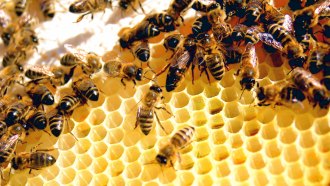
Bees and wasps devised the same clever math trick to build nests
During nest building, these insects add five- and seven-sided cells in pairs. This helps their colony fit together hexagonal cells of different sizes.