Motion and Stability: Forces and Interactions
- Physics
How physics lets a toy boat float upside down
Buoyancy’s upward force keeps objects afloat even in unusual conditions.
- Chemistry
How to recycle ‘nonrecyclable’ plastics
A new process can convert some nonrecyclable plastics into a type that now can be reused. That could greatly cut down on wastes sent to landfills.
- Chemistry
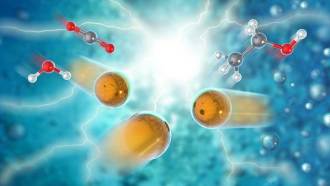
New solution for carbon dioxide: Turn it into ‘green’ fuel
Chemists have created a new way to convert carbon dioxide into ethanol. It might one day help remove excess CO2 — a greenhouse gas — from the air.
- Materials Science
Will bacterial ‘wires’ one day power your phone?
An accidental discovery helps scientists generate electricity out of thin —but humid — air with bacteria-made protein nanowires.
- Planets
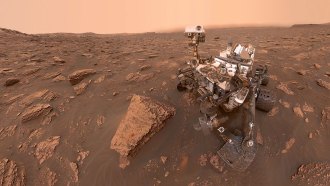
Let’s learn about space robots
Space robots can take pictures of other planets, analyze samples of their surface and even peer into their interiors.
- Animals
Flying snakes wriggle their way through the air
Flying snakes go tens of meters (yards) without wings. They do it by undulating back and forth and up and down, a new study shows.
- Materials Science
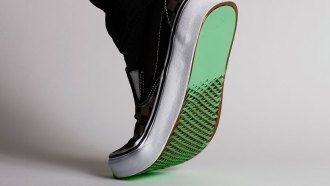
Shape-shifting cuts give shoes a better grip
With pop-out structures inspired by kirigami and animals, a shoe sole goes from flat to spiky to boost friction on slippery surfaces such as ice.
- Physics
A contrast between shadows and light can now generate electricity
A new device exploits the contrast between bright spots and shade to produce a current that can power small electronics.
- Materials Science
Silk-based microneedles may help treat diseased plants
Engineers have invented silk microneedles to inject medicines into plants. One day farmers might use drones to dart their sick plants with meds from the air.
- Materials Science
Astronauts may be able to make cement with their own pee
Lunar dust and a compound found in urine might one day be used to build future dwellings on the moon, a new study finds.
- Health & Medicine
Sweat tech alerts athletes when to rehydrate — and with what
Technology shows how the body responds to moderate and vigorous exercise. That helps athletes stay healthy — and helps scientists understand why.
- Math
Why sports are becoming all about numbers — lots and lots of numbers
Sports once focused on muscles, skill and tactics. Now math is becoming almost as important. It helps assess players — and improve their tools.