MS-LS1-1
Conduct an investigation to provide evidence that living things are made of cells, either one cell or many different numbers and types of cells.
- Health & Medicine
Remdesivir is looking even better at fighting COVID-19
New studies suggest the drug remdesivir not only speeds recovery of COVID-19 patients in the hospital, but lowers their risk of death from the virus.
- Brain
Explainer: How our eyes make sense of light
It takes a lot for images before the eyes to be 'seen.' It starts by special cells sensing the light, then signals relaying those data to the brain.
- Animals
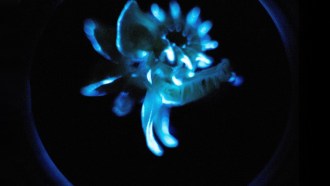
This tube worm’s glowing slime may help sustain its own shine
Snot oozed by a marine tube worm can glow for up to 3 full days. The secret of how this works might lead to long-lasting lights that glow on and on.
- Life
Planets with hydrogen skies could harbor life
Microbes can live in a hydrogen atmosphere. This points to new space worlds that host alien life.
- Animals
How to find the next pandemic virus before it finds us
Wild animals carry viruses that can sicken people. Monitoring those viral hosts that pose the greatest risk might help prevent a new pandemic.
- Ecosystems
Check out the communities of bacteria living on your tongue
Bacteria scraped off the tongue offer a window into how the microbes structure their communities.
- Health & Medicine
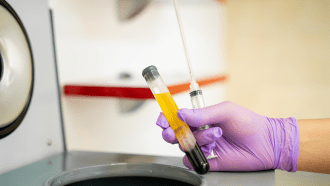
Antibodies from former COVID-19 patients could become a medicine
The experimental treatment uses antibodies from the blood plasma of COVID-19 survivors. It may prevent disease in other people or help treat the sick.
- Health & Medicine
New ultrasound treatment kills off cancer cells
Low-frequency ultrasound destroys cancer cells while leaving most healthy cells intact.
- Climate
Study appears to rule out volcanic burps as causing dino die-offs
New data on when massive volcanic eruptions happened do not match when the dinosaur mass extinction took place.
- Health & Medicine
Search speeds up for vaccine against the new coronavirus
Scientists are investigating unusual ways to make drugs to prevent viral infections. One may even be able to treat already sick people.
- Animals
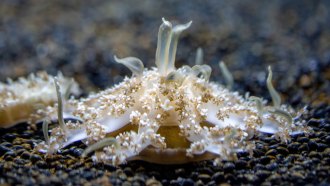
Ouch! Jellyfish snot can hurt people who never touch the animal
A goo shed by at least one species of upside-down jellyfish contains stinging cells. They can cause pain even to creatures that never touch the jelly.
- Health & Medicine
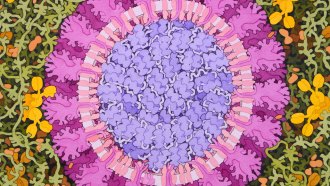
Your most urgent questions about the new coronavirus
Researchers have more questions than answers right now about 2019-nCoV. They’re racing to understand and stop the coronavirus and the health crisis it poses.