MS-LS1-2
Develop and use a model to describe the function of a cell as a whole and ways parts of cells contribute to the function.
- Animals
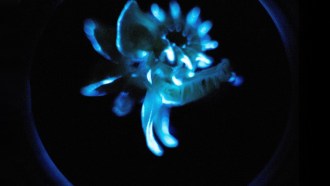
This tube worm’s glowing slime may help sustain its own shine
Snot oozed by a marine tube worm can glow for up to 3 full days. The secret of how this works might lead to long-lasting lights that glow on and on.
- Ecosystems
Check out the communities of bacteria living on your tongue
Bacteria scraped off the tongue offer a window into how the microbes structure their communities.
- Health & Medicine
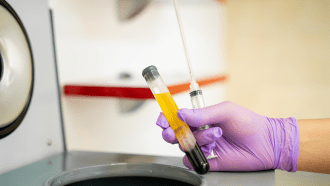
Antibodies from former COVID-19 patients could become a medicine
The experimental treatment uses antibodies from the blood plasma of COVID-19 survivors. It may prevent disease in other people or help treat the sick.
- Health & Medicine
New ultrasound treatment kills off cancer cells
Low-frequency ultrasound destroys cancer cells while leaving most healthy cells intact.
- Brain
Zapping the brain may make it work right again
Sending electrical zaps to electrodes implanted deep in the brain can help people with Parkinson’s disease, depression and even obsessive-compulsive disorder.
- Health & Medicine
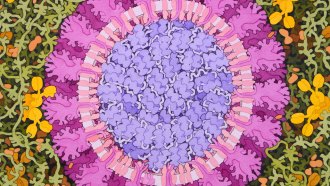
Search speeds up for vaccine against the new coronavirus
Scientists are investigating unusual ways to make drugs to prevent viral infections. One may even be able to treat already sick people.
- Animals
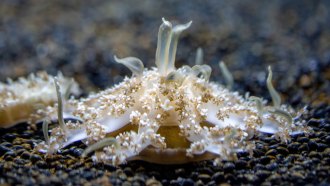
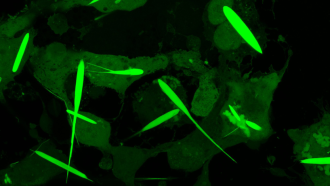
Ouch! Jellyfish snot can hurt people who never touch the animal
A goo shed by at least one species of upside-down jellyfish contains stinging cells. They can cause pain even to creatures that never touch the jelly.
- Chemistry
New spray gel moves drugs deep to treat frostbite
New gel spray sends healing ingredients deep into frostbite injuries to promote healing.
- Animals
Whales echolocate with big clicks and tiny amounts of air
Toothed whales may echolocate using bits of air that they recycle inside their heads to conserve both air and energy.
- Chemistry
Like Magneto? Microcrystals give magnets superpower over living cells
New iron-rich protein crystals could help researchers better understand the nerve cells that control movement and sensation. All they need are magnets.
- Genetics
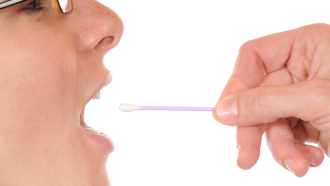
Explainer: How DNA testing works
Lots of companies will now test DNA from people and their pets. How do these gene-sequencing techniques work? We explain.
- Health & Medicine
Ultrasound might become a new way to manage diabetes
Ultrasound turns on production of the hormone insulin in mice. Someday, it might help maintain healthy blood-sugar levels in people who were recently diagnosed with diabetes.