MS-LS2-1
Analyze and interpret data to provide evidence for the effects of resource availability on organisms and populations of organisms in an ecosystem.
- Earth
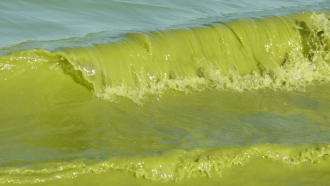
Water sensor quickly detects algal poison
A new sensor can detect poisons from harmful algae within minutes so that drinking-water plants can start timely treatments.
- Animals
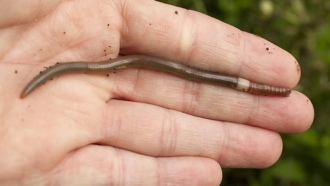
Earthworms: Can these gardeners’ friends actually become foes?
Asian jumping worms can strip leaf litter from floor of U.S. forests, new data show. Many native plants need that leaf litter for their seeds to germinate.
- Animals
Meet scientists who take on the study of life
What does a scientist look like? Meet these amazing women in biology.
- Earth
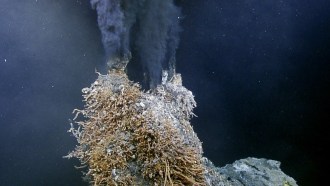
Seafloor hosts surprising number of deep-sea vents
A new sensor detects changes in seawater chemistry and finds far more ecosystem-supporting seafloor vents than scientists had believed were out there.
- Earth
Fighting big farm pollution with a tiny plant
Fertilizer runoff can fuel the growth of toxic algae nearby lakes. A teen decided to harness a tiny plant to sop up that fertilizer.
- Archaeology
Neandertals: Ancient Stone Age builders had tech skills
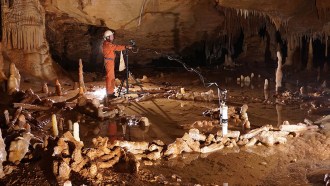
Neandertals built stalagmite circles in a French cave 176,500 years ago. These structures show that these ancient human cousins had social and technical skills.
- Animals
Uh oh! Baby fish prefer plastic to real food
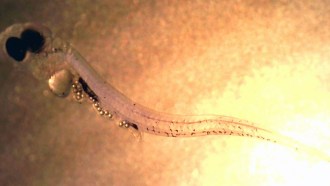
Given a choice, baby fish will eat plastic microbeads instead of real food. That plastic stunts their growth and makes them easier prey for predators.
- Animals
The shocking electric eel!
Electric eels are fascinating animals. Their powerful zaps can act like a radar system, trick fish into revealing their location and then freeze their prey’s movements.
- Animals
Wildlife forensics turns to eDNA
Environmental DNA, or eDNA, tells biologists what species have been around — even when they’re out of sight or have temporarily moved on.
- Chemistry
Slime cities
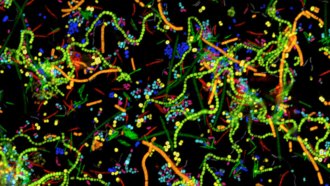
Biofilms are like tiny cities of bacteria — some harmless, others destructive. Scientists are learning how to keep these microscopic metropolises under control.
- Animals
Pesticides offer bees a risky allure
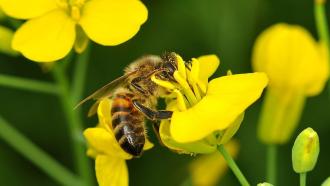
Honeybees and bumblebees sometimes cannot taste or avoid pesticides called neonicotinoids. And that may expose some of these important pollinators to harm.
- Microbes
Life’s ultra-slow lane is deep beneath the sea
Biologists had suspected the deep seafloor would be little more than barren sediment. But they found a surprising amount of oxygen — and life.