MS-LS2-2
Construct an explanation that predicts patterns of interactions among organisms across multiple ecosystems.
- Animals
More playtime and meatier meals might reduce kitty kills
Keeping cats indoors is the best way to prevent them from killing wildlife. But small changes to diet and play can help, too.
- Health & Medicine
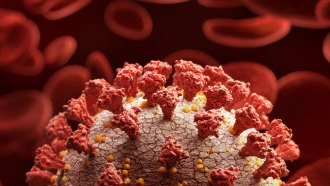
Some microbial hitchhikers may weaken body’s attack on COVID-19
New research identifies an altered mix of microbes in the body — ones commonly seen in people with poor diets — that may worsen coronavirus disease.
- Health & Medicine
Some young adults will volunteer to get COVID-19 for science
Researchers will soon give some healthy people the new coronavirus. Their young volunteers have agreed to get sick to speed coronavirus research.
- Agriculture
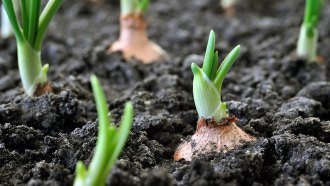
Healthy soils are life-giving black gold
Scientists explain why everyone needs to value the soils beneath our feet — and why we should not view them as dirt.
- Agriculture
Soil (and its inhabitants) by the numbers
Teeming with life, soils have more going on than most of us realize.
- Ecosystems
What you can do to improve soils
Soils are the life-sustaining structures under our feet. Here are some tips for keeping soils healthy. First rule of thumb: Give more than you take.
- Animals
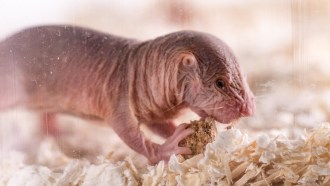
Unique dialects help naked mole-rats tell friends from foes
Computer analysis reveals that these social rodents communicate with speech patterns distinct to each colony.
- Animals
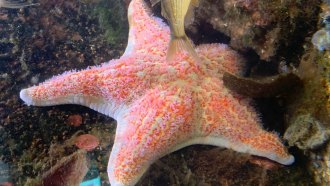
Choked by bacteria, some starfish are turning to goo
For years, researchers thought gooey, dying starfish were infected. Instead, these sea stars are suffocating. And bacteria may be behind it all.
- Animals
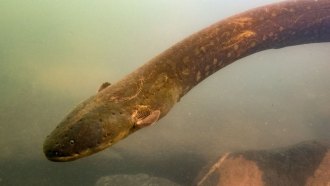
Some electric eels coordinate their attacks to zap prey
Electric eels were thought be to lone hunters — until researchers observed more than 100 eels hunting together. Their coordinated electric attacks corralled prey.
- Ecosystems
Can people protect as much space as nature needs?
To save biodiversity, nations are drafting a plan to protect 30 percent of Earth by 2030. Up for debate is how best to do that.
- Agriculture
Honeybees fend off deadly hornets by decorating hives with poop
Bees usually collect pollen and nectar. Scientists were surprised to find that Asian honeybees also gather animal dung to defend their hives.
- Animals
Africa’s poisonous rats are surprisingly social
Scientists confirm that the African crested rat can safely cover itself in poison and also find that the rodents may live in pairs — or even family groups.