MS-LS2-2
Construct an explanation that predicts patterns of interactions among organisms across multiple ecosystems.
- Animals
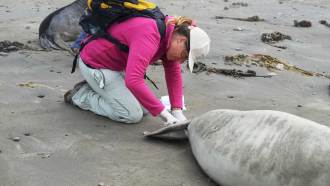
One tiny sea parasite survives 200 times atmospheric pressure
Known as the seal louse, this tiny insect can survive deep oceanic dives on its mobile home, a marine mammal.
-
A dirty and growing problem: Too few toilets
As the famous book says, everybody poops. That’s 7.8 billion people, worldwide. For the 2.4 billion with no toilet, the process can be complicated.
- Ecosystems
Soggy coastal soils? Here’s why ecologists love them
Coastal wetlands can protect our shores from erosion, flooding and rising sea levels.
- Ecosystems
‘Vampire’ parasite challenges the definition of a plant
Langsdorffia are stripped down to their essentials. Lacking green leaves for photosynthesis, they steal energy and nutrients from other plants.
- Chemistry
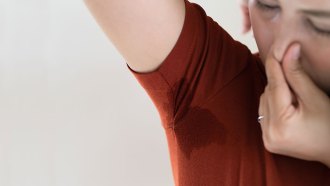
Stinky success: Scientists identify the chemistry of B.O.
They turned up the enzyme in bacteria behind that underarm stench. Understanding how it works could pave the way to new types of deodorant.
- Animals
Quacks and toots help young honeybee queens avoid deadly duels
It’s not just ducks that quack. Honey bees do it too. They also toot. Researchers eavesdropped on hives to find out why.
- Health & Medicine
Four summer camps show how to limit COVID-19 outbreak
Schools might take a lesson from these overnight facilities in Maine. They kept infection rates low by testing a lot and grouping kids into ‘bubbles.’
- Animals
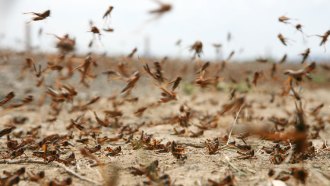
A single chemical may draw lonely locusts into a hungry swarm
Swarms of locusts can destroy crops. Scientists have discovered a chemical that might make locusts come together in huge hungry swarms.
- Animals
Some beetles can be eaten by a frog, then walk out the other end
After being eaten by a frog, some water beetles can scurry through the digestive tract and emerge on the other side — alive and well.
- Animals
Are coyotes moving into your neighborhood?
How do coyotes survive in New York City, Los Angeles and Chicago? Researchers and citizen scientists are working together to find answers.
- Animals
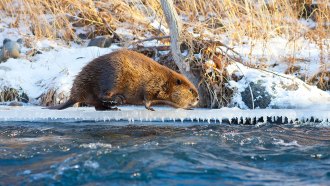
Busy beavers may be speeding thaw of Arctic permafrost
As climate change continues, busy beavers are expanding their range in Alaska. Their dams could further speed the loss of permafrost there and promote local warming.
- Environment
Dust can infect animals with flu, raising coronavirus concerns
Dust particles kicked up from some virus-contaminated surface can become a source of new infections, rodent data show.