MS-LS2-2
Construct an explanation that predicts patterns of interactions among organisms across multiple ecosystems.
- Animals
Toxic germs on its skin make this newt deadly
Bacteria living on the skin of some rough-skinned newts make tetrodotoxin. This paralyzing poison is also found in pufferfish.
- Animals
Why you’re spotting more wildlife during COVID-19
People are seeing more animals than they did before the pandemic. There are many reasons why.
- Life
Planets with hydrogen skies could harbor life
Microbes can live in a hydrogen atmosphere. This points to new space worlds that host alien life.
- Animals
When prey get scarce, these jellies become cannibals
Invasive comb jellies may feast on their larvae if massive population booms in summer deplete their prey.
- Animals
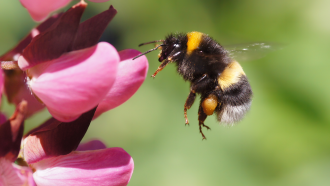
Pesticides can have long-term impact on bumblebee learning
Pesticide-laced nectar and pollen can permanently harm the brains of baby bumblebees.
- Animals
Mice show their feelings on their faces
Pleasure, pain, fear and disgust — all can show on a mouse’s face. As computational analyses show, you just need to know what to look for.
- Animals
How to find the next pandemic virus before it finds us
Wild animals carry viruses that can sicken people. Monitoring those viral hosts that pose the greatest risk might help prevent a new pandemic.
- Ecosystems
Check out the communities of bacteria living on your tongue
Bacteria scraped off the tongue offer a window into how the microbes structure their communities.
- Health & Medicine
What ‘community’ spread of coronavirus means
Health experts warn there are probably many undetected cases already in the United States, raising chances the disease will soon be widespread.
- Health & Medicine
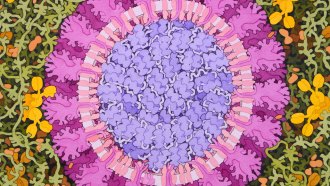
Search speeds up for vaccine against the new coronavirus
Scientists are investigating unusual ways to make drugs to prevent viral infections. One may even be able to treat already sick people.
- Animals
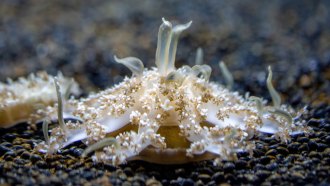
Ouch! Jellyfish snot can hurt people who never touch the animal
A goo shed by at least one species of upside-down jellyfish contains stinging cells. They can cause pain even to creatures that never touch the jelly.
- Animals
Analyze This: Shimmering colors may help beetles hide
Delve into data showing how brilliant colors that shift as a viewer — or predator — moves may help iridescent insects blend in.