MS-LS2-2
Construct an explanation that predicts patterns of interactions among organisms across multiple ecosystems.
- Agriculture
Pesticides contaminate most food of western U.S. monarchs
Monarch caterpillars eat only milkweeds. A new study finds widespread pesticide use has tainted these plants across the insect’s western U.S. breeding grounds.
- Animals
Superblack fish can disappear in the deep sea’s darkness
Some fish that live in the ocean’s depths are superblack due to a special layer of light-absorbing structures in their skin.
- Animals
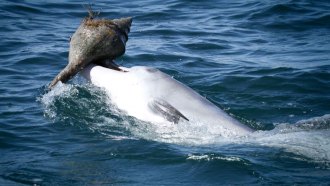
Dolphins can learn from their peers how to use shells as tools
Some bottlenose dolphins seem to look to their peers, rather than mom, to learn how to trap prey in shells.
- Health & Medicine
Coronavirus outbreak at camp infected more than 200 kids and staff
Think kids don’t get COVID-19 and spread it? Think again. An outbreak at a Georgia summer camp left 260 people infected. The rate was highest in kids under 10.
- Earth
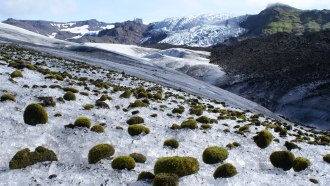
On an Alaskan glacier, little green moss balls roll in herds
Oval balls of moss, nicknamed ‘glacier mice,’ roll across some glaciers. A new study explores the mysteries behind their herd-like motion.
- Life
For teens, big problems may lead to meaningful research
Several teens who competed at the Regeneron Science Talent Search applied their STEM know-how to solve problems they or their communities faced.
- Animals
What you need to know about ‘murder hornets’
Two new specimens of the world’s largest hornet have just turned up in the United States. Here’s what to make of them and other alien-hornet invaders.
- Health & Medicine
Remdesivir is looking even better at fighting COVID-19
New studies suggest the drug remdesivir not only speeds recovery of COVID-19 patients in the hospital, but lowers their risk of death from the virus.
- Animals
Pooping ducks can shed the live eggs of fish
Some carp eggs survived and even hatched after being pooped by a duck. This may help explain how invasive fish reach isolated waterways.
- Animals
Tube-dwelling sea creatures may be oldest known parasites
A fossil bed of clam-like animals from a half-billion years ago is covered in tube-dwelling organisms. These suggest the tube dwellers were parasites, scientists now report.
- Animals
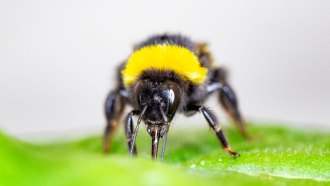
Bumblebees may bite leaves to spur plant blooming
In a pollen shortage, some bees nick holes in tomato leaves. This can speed up flowering and pollen production by weeks.
- Animals
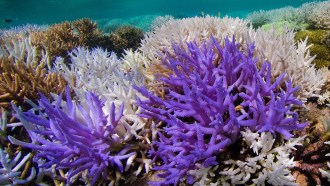
Going bright may help corals recover from bleaching
When some corals bleach, they turn neon colors. Flashy hues may be part of a response that helps these corals recover and reunite with their algae.