MS-LS4-4
Construct an explanation based on evidence that describes how genetic variations of traits in a population increase some individuals' probability of surviving and reproducing in a specific environment.
- Animals
How to find the next pandemic virus before it finds us
Wild animals carry viruses that can sicken people. Monitoring those viral hosts that pose the greatest risk might help prevent a new pandemic.
- Health & Medicine
Antibodies from former COVID-19 patients could become a medicine
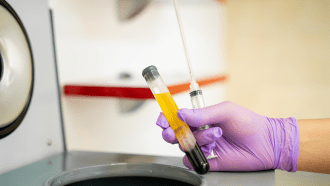
The experimental treatment uses antibodies from the blood plasma of COVID-19 survivors. It may prevent disease in other people or help treat the sick.
- Fossils
This dinosaur was no bigger than a hummingbird
The skull of one of these ancient birds — the tiniest yet known — was discovered encased in a chunk of amber originally found in Myanmar.
- Environment
Decades-long project is linking our health to the environment
Started in 1959, this California study is one of the oldest ongoing research projects in the world.
- Health & Medicine
Search speeds up for vaccine against the new coronavirus
Scientists are investigating unusual ways to make drugs to prevent viral infections. One may even be able to treat already sick people.
- Animals
Analyze This: Shimmering colors may help beetles hide
Delve into data showing how brilliant colors that shift as a viewer — or predator — moves may help iridescent insects blend in.
- Animals
The many efforts to lick cat allergies
Up to one in five people around the world may be allergic to cats. Science is coming to help their desire for kitty cuddles.
- Animals
Immune arms-race in bats may make their viruses deadly to people
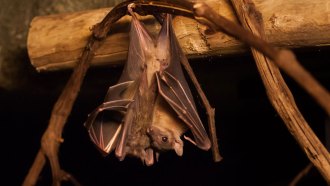
An overactive immune system may help bats avoid being sickened by many viruses. This may viruses becoming stronger — and deadlier — when they hit other species.
- Health & Medicine
Your most urgent questions about the new coronavirus
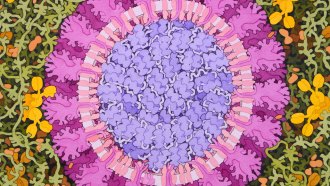
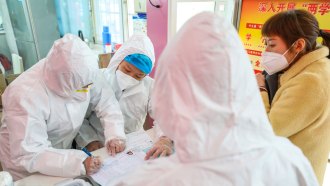
Researchers have more questions than answers right now about 2019-nCoV. They’re racing to understand and stop the coronavirus and the health crisis it poses.
- Animals
Why some whales become giants and others are only big
Being big helps whales access more food. But just how big a whale can get is influenced by whether it hunts or filter-feeds.
- Health & Medicine
Globetrotting microbes in airplane sewage may spread antibiotic resistance
Along with harder-to-kill microbes, airplane sewage contains a diverse set of the genes that let bacteria evade antibiotics.
- Health & Medicine
Drug-resistant germs kill some 35,000 Americans each year
The new mortality rate may be way low, some experts say. Also troubling are two new germs that have emerged as big and urgent threats.