MS-PS1-3
Gather and make sense of information to describe that synthetic materials come from natural resources and impact society.
- Chemistry
Could reusable ‘jelly ice’ cubes replace regular ice?
These hydrogel “jelly ice cubes” are made mostly of gelatin and water. They won’t melt, even when thawed, and may provide new food cooling options.
- Chemistry
Scientists Say: Silicon
The chemical element silicon is used to make everything from bricks to cookware to electronics.
- Chemistry
This glitter gets its color from plants, not a synthetic plastic
In the new material, tiny arrangements of cellulose reflect light in specific ways to create vibrant hues in an environmentally friendly glitter.
- Chemistry
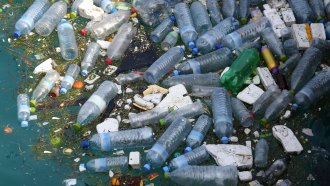
A new way to make plastics could keep them from littering the seas
Borrowing from genetics, scientists are creating plastics that will degrade. They can even choose how quickly these materials break down.
- Microbes
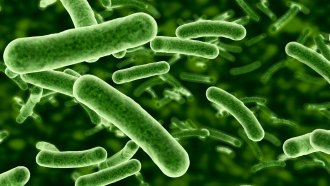
Genes point to how some bacteria can gobble up electricity
A new study shows how some microbes absorb and release electrons — a trait that may point to new fuels or ways to store energy.
- Materials Science
These colorful butterflies were printed with transparent ink
Clear ink creates a whole rainbow of colors when printed in precise, microscopic patterns. This phenomenon is known as structural color.
- Chemistry
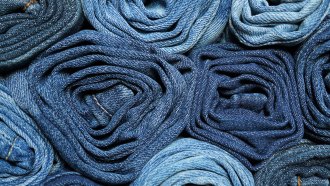
Scientists find a ‘greener’ way to make jeans blue
When coated onto jeans, a plant-based polymer reduces water and cuts the amount of toxic chemicals needed.
- Chemistry
Chemistry solves a French royal mystery
Ink analysis reveals the hidden words of Marie Antoinette's letters and who tried to hide them.
- Chemistry
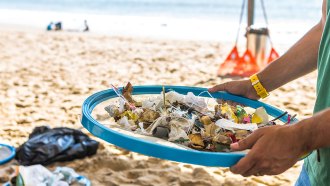
Everyday plastics can pollute, leaching thousands of chemicals
Plastic bags and containers leach potentially toxic chemicals into both food and water, but researchers yet don’t know how they might affect health.
- Animals
Bacteria make ‘spider silk’ that’s stronger than steel
Part spider silk, the material is better than what some spiders make. Researchers think it might make the basis for surgical threads or unusually strong fabrics.
- Chemistry
Chemists win Nobel Prize for faster, cleaner way of making molecules
Both scientists independently came up with new process — asymmetric organocatalysis. That name may be a mouthful, but it’s not that hard to understand.
- Tech
Synthetic trees could tap underground water in arid areas
They also could also help coastal residents mine fresh water from salty sources.