Animals
- Animals
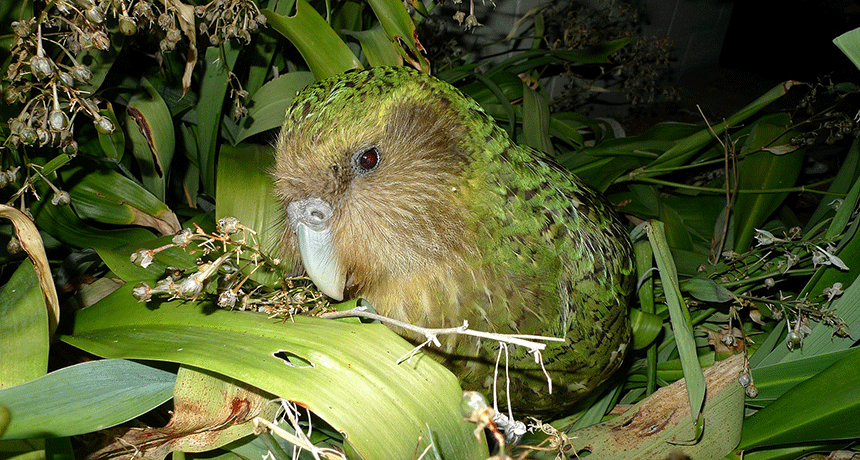
Scientists Say: Kakapo
This is a flightless parrot that lives in New Zealand. Unfortunately, there are only 154 of them left.
- Agriculture
Barnyard science: Check out this fowl research
New research shows how to store eggs, insulate homes with chicken feathers and slow fires with shells.
- Animals
Hunting hidden salamanders with eDNA
The Japanese clouded salamander is an elusive beast. To find a new population, three teens turned to high-tech methods.
- Animals
‘Boot camp’ teaches rare animals how to go wild
Animals raised in captivity cannot safely re-enter the wilds without first understanding how to find food and avoid becoming a predator’s lunch. Scientists are helping some species learn this.
- Animals
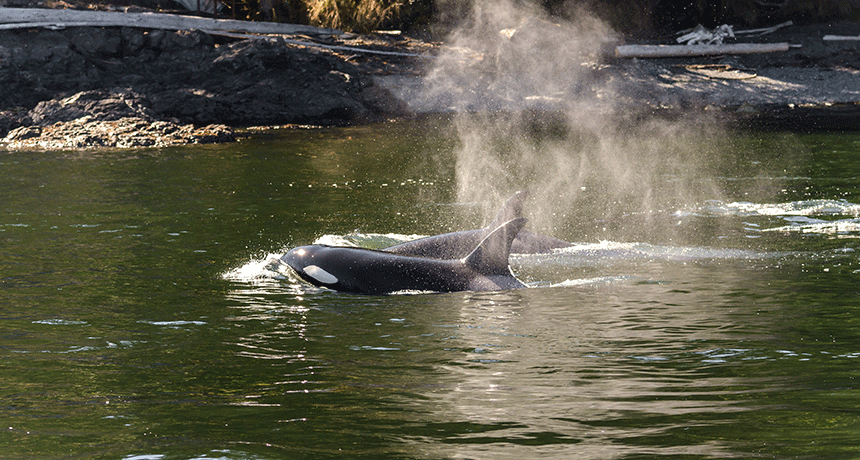
Orca snot leads to a whale of a science-fair project
DNA found in the mucus of orcas suggests that even though the traits of family pods may differ, these marine mammals all appear to belong to a single species.
- Animals
Chemicals from the world’s longest animal can kill cockroaches
The stuff in this sea worm’s slime can kill off green crabs, too.
- Animals
Ocean heat waves are on the rise — and killing coral
Ocean heat waves are becoming hotter and more frequent. And one can be blamed for the 2016 coral deaths on the Great Barrier Reef.
- Animals
In a colony, king penguins act like a liquid
Is this a living liquid? King penguins move around within their colonies, clearing out some space, and then refilling it. That behavior resembles a liquid, scientists conclude.
- Animals
Fighting ‘like an animal’ may not be what you expect
Evolution has produced a broad range of conflict styles. And some of the best examples come from outside the world of the familiar.
- Animals
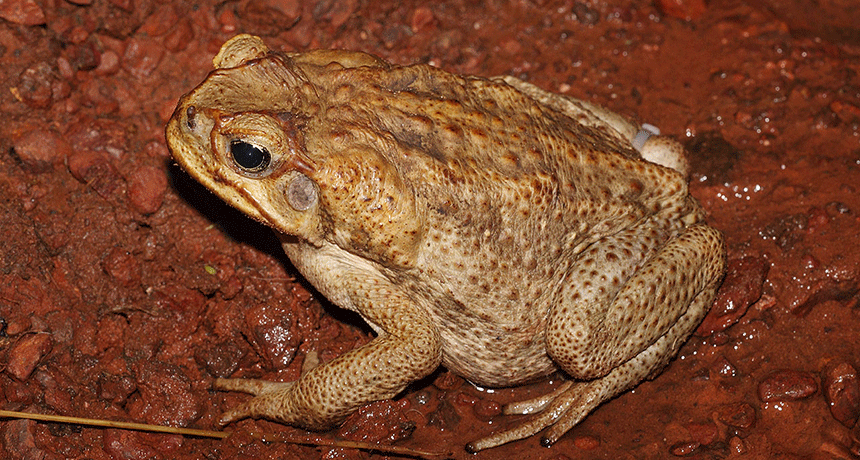
Scientists Say: Invasive species
These are foreign species that are causing problems for native organisms and ecosystems.
- Animals
Cool Jobs: Diving for new medicines
Scientists mix research with underwater adventure as they search the oceans for new chemicals to treat infections, cancer and more.
- Animals
Nature shows how dragons might breathe fire
Fire-breathing dragons can’t live anywhere outside of a book or TV. But nature provides some guidance as to how they might get their flames. If they existed, anyway.