Animals
- Animals
Scientists Say: Ectoparasite
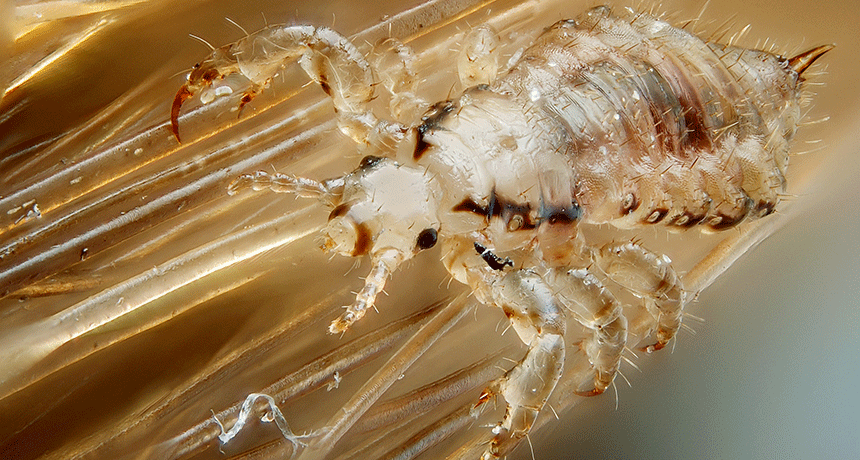
Many people think of parasites as organisms that live inside their hosts. But some of them can be found on the outside instead.
- Animals
Yuck! Bedbug poop leaves lingering health risks
Chemical residues left by bedbugs can persist, even when the pests have been eradicated. This may explain lingering allergic symptoms in cleaned up homes, a new study concludes.
- Animals
Fish get pooped living in polluted water
Living in polluted water can tire fish out, a new study finds. This can make it harder for them to find food and avoid being eaten, themselves, by predators.
- Animals
Scientists Say: Zooplankton
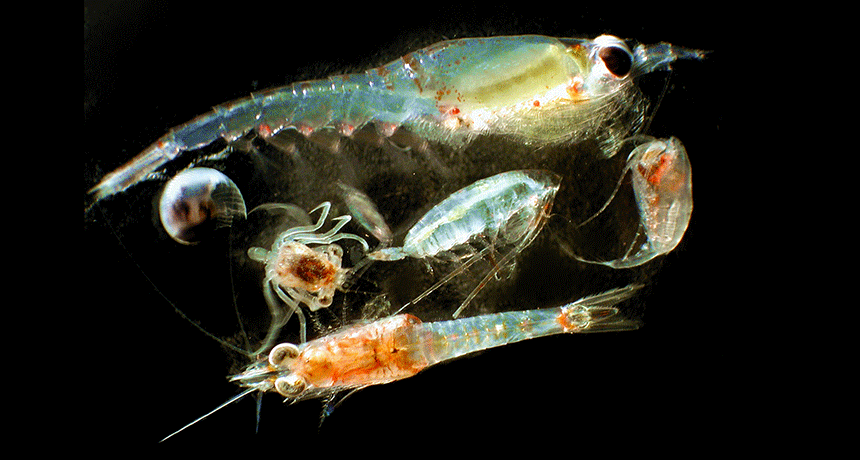
These plankton are tiny, but don’t let that fool you. They are predators, too.
- Animals
Woodpecker brains host protein linked with human brain damage
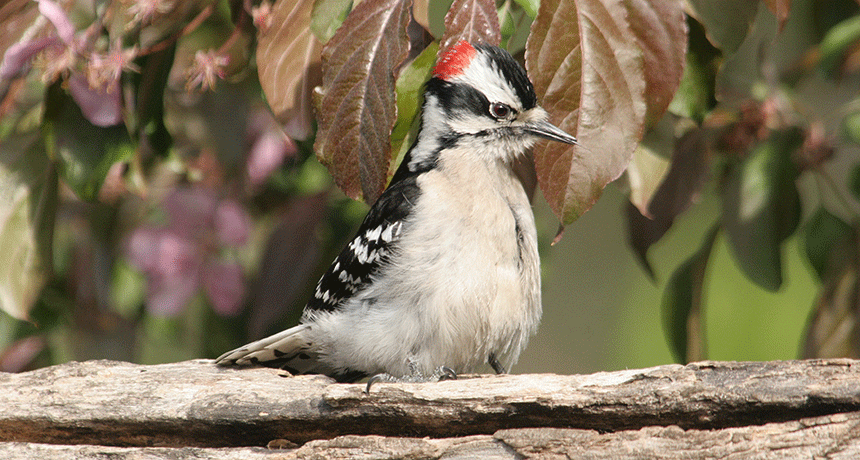
Woodpeckers peck with a force great enough to give people concussions. Now a study shows that birds, too, may suffer some brain damage.
- Animals
Rising carbon dioxide could leave tiny lake dwellers defenseless
Rising carbon dioxide in freshwater lakes may change how predators and prey interact.
- Animals
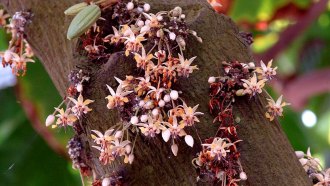
Blooms on ‘chocolate’ tree are crazy-hard to pollinate
The cacao trees must be pollinated or those seeds that give us chocolate will never form. The rub: The trees’ flowers challenge all but some of the tiniest pollen-moving insects.
- Animals
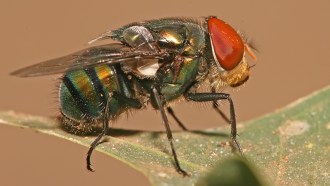
Blowflies keep their cool with drool
Personal air conditioning the blowfly way: Dangle a droplet of saliva and then swallow it.
- Animals
Jackpot! Hundreds of fossilized pterosaur eggs unearthed in China
A trove of fossilized pterosaur eggs and embryos offer tantalizing clues to the winged reptiles’ early development.
- Animals
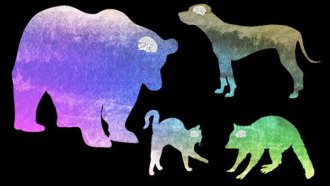
Dog wins tally of nerve cells in the outer wrinkles of the brain
Golden retrievers rate at the top for numbers of nerve cells, a study of some carnivores finds.
- Animals
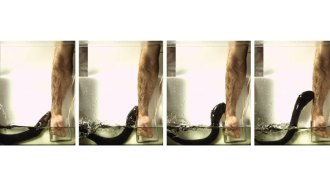
Analyze This: Electric eels’ zaps are more powerful than a TASER
Shocking! A biologist reached his hand into a fish tank and let an electric eel zap him. It let him measure precisely how strong a current it could unleash to defend itself.
- Animals
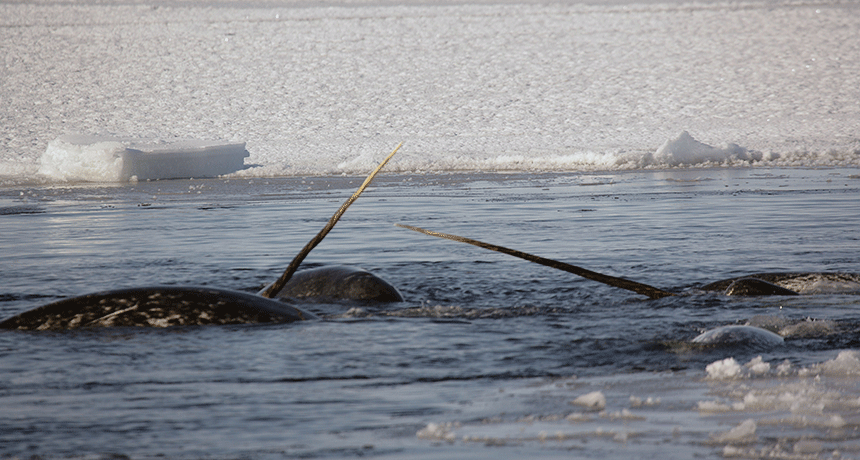
Escaping narwhals can freeze and flee at the same time
Narwhals’ heart rates plummet while diving quickly to get away from people. The combination may stress the whales as human activity increases in the Arctic.