Earth
- Animals
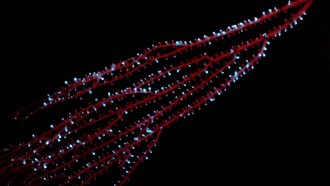
Corals may have been the first life forms to glow in the dark
Ancestors of modern octocorals may have lit up the deep sea as far back as 540 million years ago.
- Climate
Climate change is changing how scientists measure time
Polar ice sheets are melting faster. This is slowing Earth’s spin, which changes how we sync our clocks to tell time.
- Chemistry
Scientists Say: Methane
Used to cook food and heat homes, this potent greenhouse gas accounts for 30 percent of the warming of our climate.
- Plants
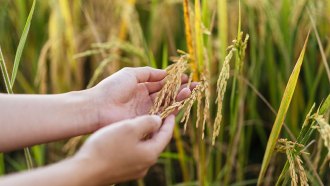
Gene editing may help rice better withstand climate change
Three genes may limit the ability of rice to handle dry or salty conditions. A Regeneron ISEF finalist shows that CRISPR could target and change them.
- Health & Medicine
New tool maps where U.S. heat can pose threats to your health
The daily updated HeatRisk maps use color coding to show where the health threat from heat is highest. The website also offers tips for staying safe.
- Oceans
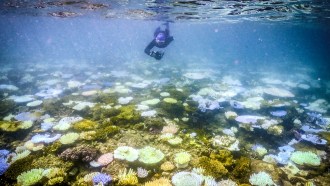
The seas’ record-breaking hot streak may bring unwelcome changes
Off-the-charts warming could fire up more hurricanes, intensify coral bleaching and accelerate the melting of Antarctic sea ice.
- Animals
Surprise! These animals can help fight climate change
Some animals help fight climate change by boosting the amount of carbon dioxide that plants, algae and bacteria absorb from the atmosphere.
- Environment
To limit pollution, new recipe makes plastic a treat for microbes
Microplastics made from fossil fuels take centuries to disappear. But the plant- and algae-based plastic can break down in weeks to months.
- Earth
Earthquake sensor: Taylor Swift fans ‘Shake It Off’
Scientists determined dancing fans were behind the seismic waves recorded during Swift’s August concerts.
- Chemistry
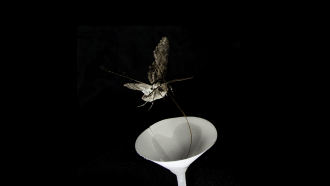
Air pollution can make it harder for pollinators to find flowers
Pollutants that build up in night air can break down the scents that attract pollinating hawkmoths to primrose blooms, disrupting their pollination.
- Chemistry
Turning jeans blue with sunlight might help the environment
When dipped in indican and exposed to sunlight, yarn turns a deep blue. This process is more eco-friendly than the current denim dyeing method.
- Earth
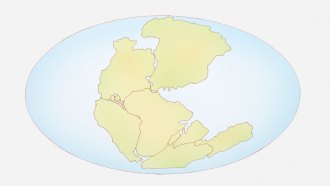
Scientists Say: Supercontinent
These gigantic landmasses form when much of Earth’s landmass smashes together.