Humans
- Brain
Routine hits in a single football season may harm players’ brains
A group of college football players underwent brain scans after a season of play. The results suggest playing the sport could harm neural signaling.
- Health & Medicine
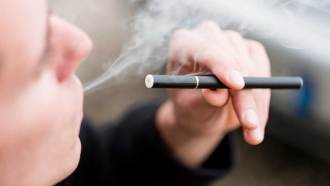
Outbreak of lung disease, including 5 deaths, tied to e-cigarettes
Some 450 e-cig users have been hospitalized for severe lung disease across 33 states and U.S. territories. Five of them have died.
- Health & Medicine
Study links chemicals in ‘BPA-free’ plastics to obesity in kids
Scientists have linked exposure to chemicals found in BPA-free plastics and cans with obesity in kids and teens.
- Climate
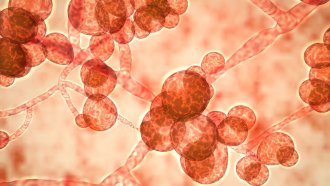
Climate change may be aiding a deadly fungus in infecting humans
A deadly fungus infecting humans around the world may have been worsened by climate change.
- Health & Medicine
Scientists investigate suicide risk among LGBTQ+ teens
LGBTQ+ youths face higher suicide risks because of how society treats them as members of minority groups. But resources are available. And all teens can help.
- Health & Medicine
Rise in suicides emphasizes need to help teens deal with despair
Suicides are on the rise among U.S. adolescents and young adults. These data emphasize why people should reach out to friends who might have trouble coping with intense stress.
- Health & Medicine
Vaping may have landed eight teens in the hospital
E-cigarette use can harm the lungs. Eight Wisconsin teens who developed severe lung injuries after vaping may be the latest victims.
- Earth
Americans consume some 70,000 microplastic particles a year
The average American consumes more than 70,000 microplastic particles a year. Scientists hope this estimate will spur others to look at health risks.
- Health & Medicine
Cool Jobs: Soaking in sweat
These three scientists are using sweat to hunt killers, detect illness and find out just how our species became such hairless, perspiring apes.
- Chemistry
Explainer: The bacteria behind your B.O.
Special glands in our armpits give us our signature stink. But it’s not our sweat that’s to blame. It’s the bacteria that gobble it up.
- Health & Medicine
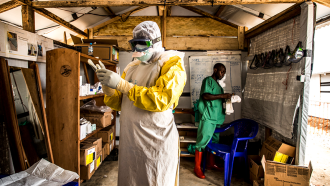
Two Ebola treatments prove highly effective in a clinical trial
Preliminary data show that two treatments are highly effective at preventing death in Congo, where an Ebola epidemic is ongoing.
- Chemistry
A new electric surgery tool may someday fix nose, ear and eye problems
A new surgery tool uses electricity to reshape ear and nose tissue in minutes, without pain. Someday, it might even work on eyes to restore normal vision.