Humans
- Health & Medicine
Scientists Say: Ultrasound
Ultrasound is a word used to describe any sounds higher than a person can hear. It’s also a technique used to see inside the body.
- Health & Medicine
Scientists discover how norovirus hijacks the gut
Noroviruses make people vomit, but scientists didn’t actually know why. It now turns out that those viruses cause their misery by attacking special “tuft” cells in the gut.
- Genetics
Your DNA is an open book — but can’t yet be fully read
There are many companies that offer to read your DNA. But be prepared: They cannot yet fulfill all those promises you read in their ads.
- Health & Medicine
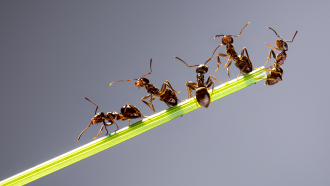
How many ants is the best number of ants? More than one, fewer than 100
How many ants does it take to make the best decision? This teen found that four to six is just right.
- Psychology
Teen fights fake news, one newsfeed at a time
How do we get rid of misleading news? One teen found that warning signs might help, but the most effective option, to him, looks too much like censorship.
- Health & Medicine
Drug-detection system could help partygoers protect themselves
Fed up with people getting unwittingly drugged at parties, a teen designed a special bracelet. It can alert drinkers to the presence of certain hidden drugs.
- Health & Medicine
Owww! World’s hottest chili leads to days of severe headaches
A man ate one of the hottest peppers in the world. About a minute later, his head began pounding. See why they didn’t permanently disappear for days!
- Health & Medicine
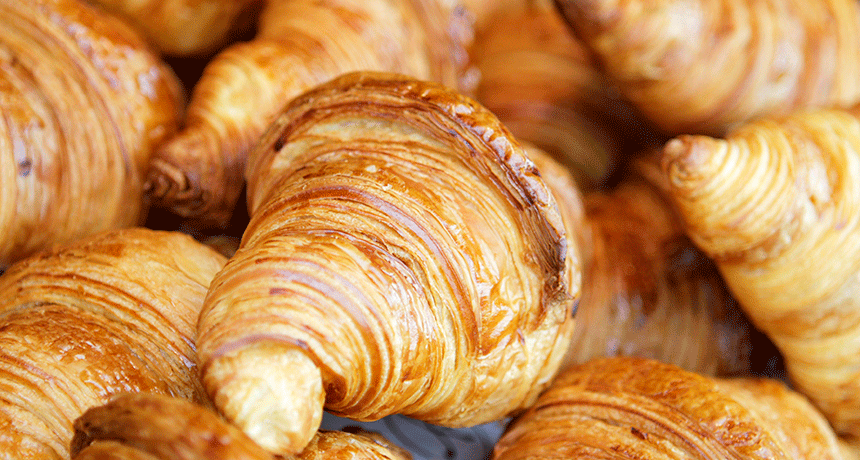
Science-fair finding allows girl to sample a croissant
Some supplements claim they can help people with celiac disease, who cannot digest gluten. But do the pills work? One teen used science to find out.
- Health & Medicine
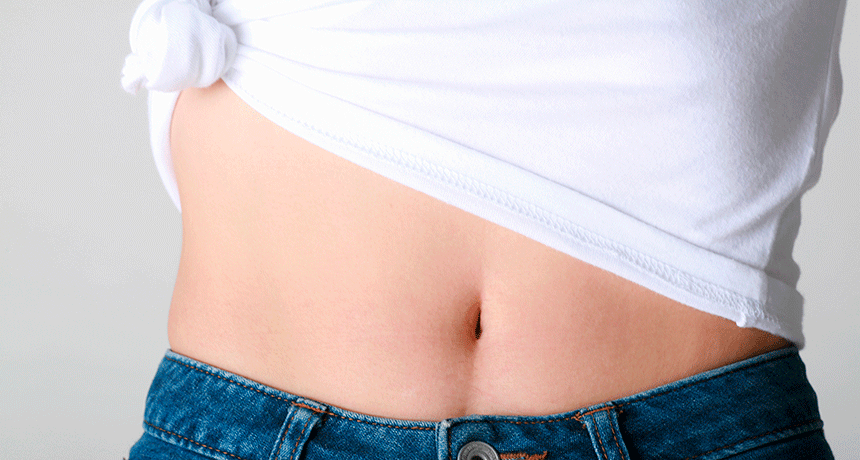
Which bacteria hang out in belly buttons? Here’s a who’s who
Bacteria are everywhere — even in our belly buttons. One teen at Intel ISEF decided to find out what types people were harboring in their navels.
- Health & Medicine
Inked mice hint at how tattoos live on
Tattooed mice challenge our current understanding of how tattoos stay in humans.
- Health & Medicine
Obesity makes taste buds disappear — in mice, anyway
Mice that gained excessive weight on a high-fat diet also lost one in four taste buds.
- Health & Medicine
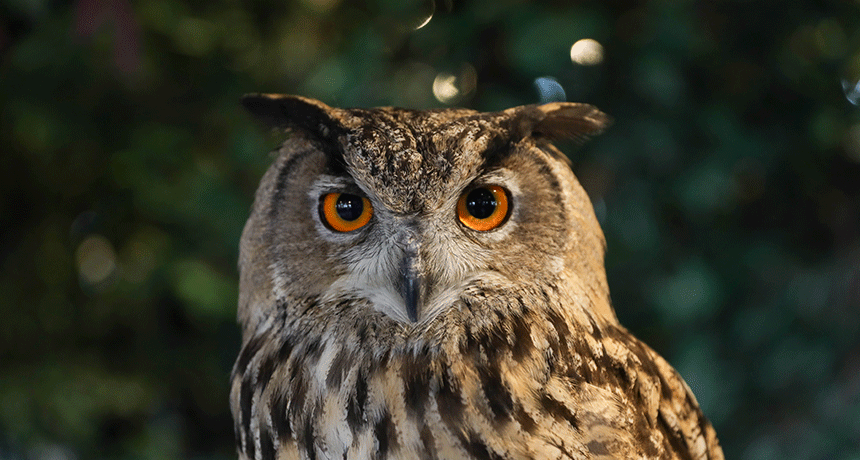
Scientists Say: Nocturnal and diurnal
Nocturnal animals are active at night. Diurnal animals live it up during the day.