Humans
- Health & Medicine
Scientists Say: CT scan
Short for computerized tomography, this technique lets scientists and doctors see insides in detail.
- Health & Medicine
Human cells form the basis of this artificial eye
Real or fake — you be the judge. Human cells were used to create this test bed for studying both the eye and eye-disease therapies.
- Health & Medicine
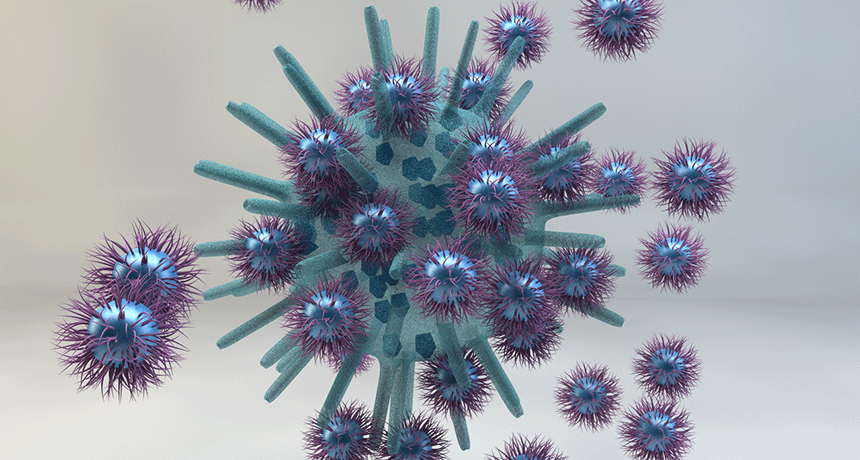
Hairy nanoparticles put viruses in a deadly embrace
Current drugs can’t stop viruses for good. But newly developed hairy nanoparticles just might. They surround and put pressure on the viruses, which ultimately destroys them.
- Health & Medicine
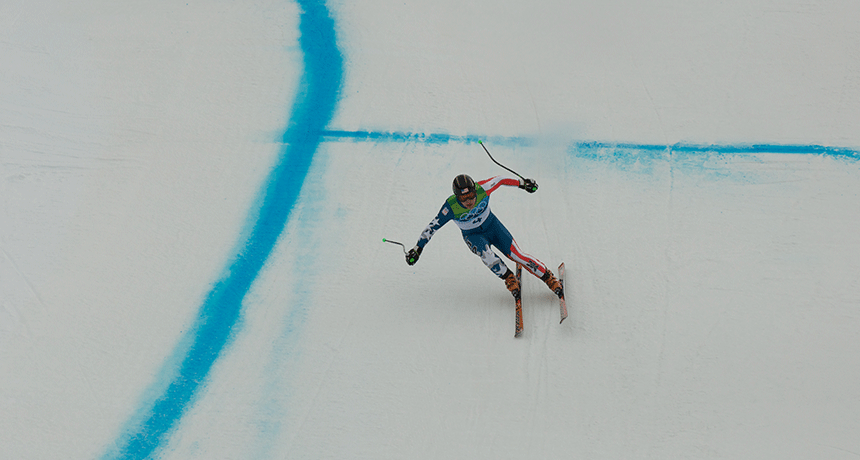
Why many Olympic athletes have early birthdays
When kids start out in sports, coaches tend to pick the biggest as the best. Here’s what scientists are trying to do about it.
- Health & Medicine
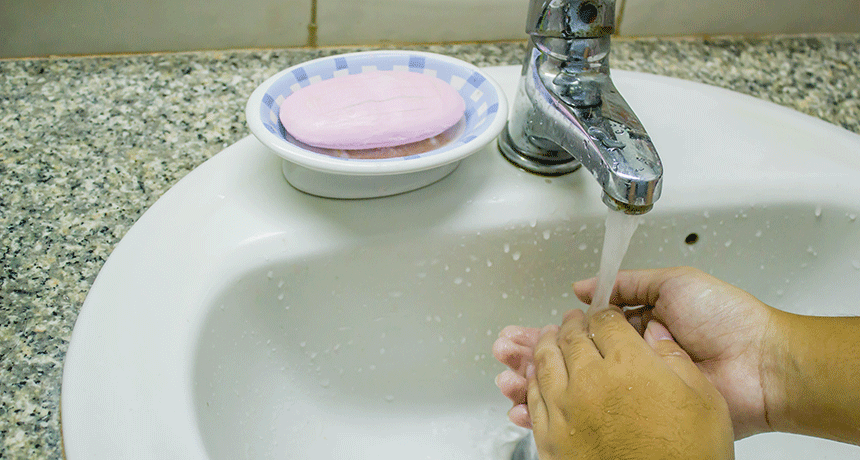
Scientists Say: Triclosan
This chemical is known for its bacteria-killing skills. But its use can also promote the development of dangerous, antibiotic-resistant bacteria.
- Health & Medicine
Athletes’ head injuries can provoke surprisingly long-lasting harm
Even as symptoms of an athletic head injury fade, the brain may remain impaired, new data show. The harm may last months — perhaps even a lifetime.
- Health & Medicine
Explainer: What is a concussion?
A concussion is a severe type of head injury that can damage a brain for weeks to years — perhaps even a lifetime.
- Brain
Unlike adults, teens don’t perform better when the stakes are high
Adults tend to do better on tasks that have bigger rewards. Not teens. This difference might have to do with the rewiring of the brain during adolescence, new data suggest.
- Chemistry
Janet’s chocolate mousse pie
The top two ingredients — dark chocolate and tofu — both have a reputation for being healthy. The good news for those who don’t like tofu: You can’t taste it in this pie. It just tastes like a very rich, thick chocolate mousse.
- Health & Medicine
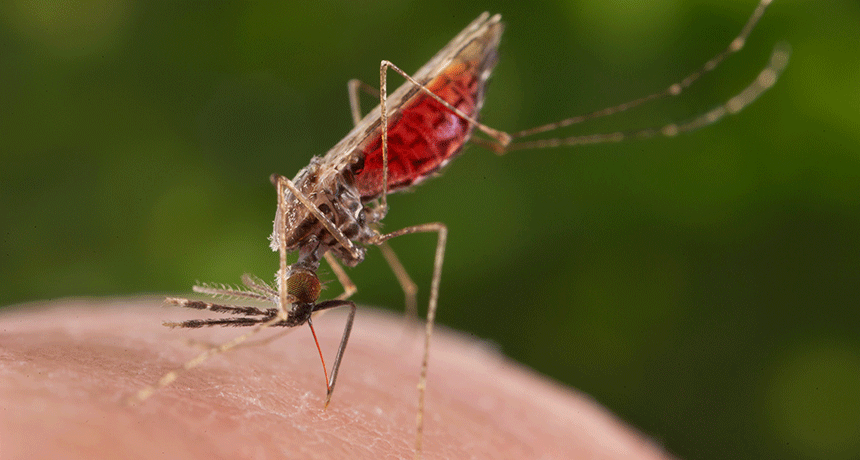
Scientists probe new ways to control malaria
In the quest to stop malaria, one researcher studies the disease in birds, bats and other animals. Another focuses on climate change and human sprawl.
- Health & Medicine
Don’t blame the rats for spreading the Black Death
Popular history says millions of people died of the Black Death in the Middle Ages after being bit by fleas living on rats. But human fleas may be the real culprits, a new study finds.
- Archaeology
Cool Jobs: Drilling into the secrets of teeth
A bioengineer, a biologist and an archaeologist all study teeth to explore new materials, to grow better tissues and to learn more about prehistoric humans.