Life
- Health & Medicine
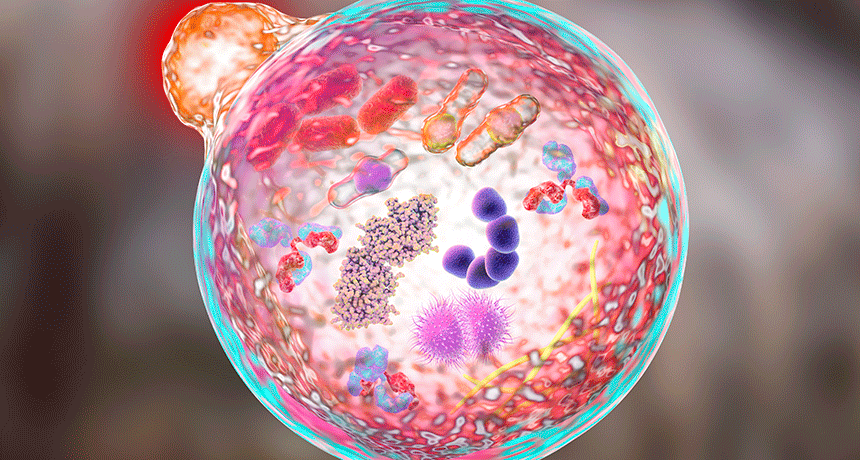
Scientists Say: Metabolism
Metabolism is all the chemical activities that support life in a cell, an organ and a whole organism’s body.
- Animals
To monitor penguin diet from satellites, look to poop
Scientists have figured out what foods dominate an Adélie penguin colony’s diet by looking at Landsat imagery. But to do so, they had to start with penguin poop.
- Animals
How some insects fling their pee
Insects called sharpshooters use a tiny barb on their rear ends to hurl their pee at 20 times the acceleration of Earth’s gravity.
- Animals
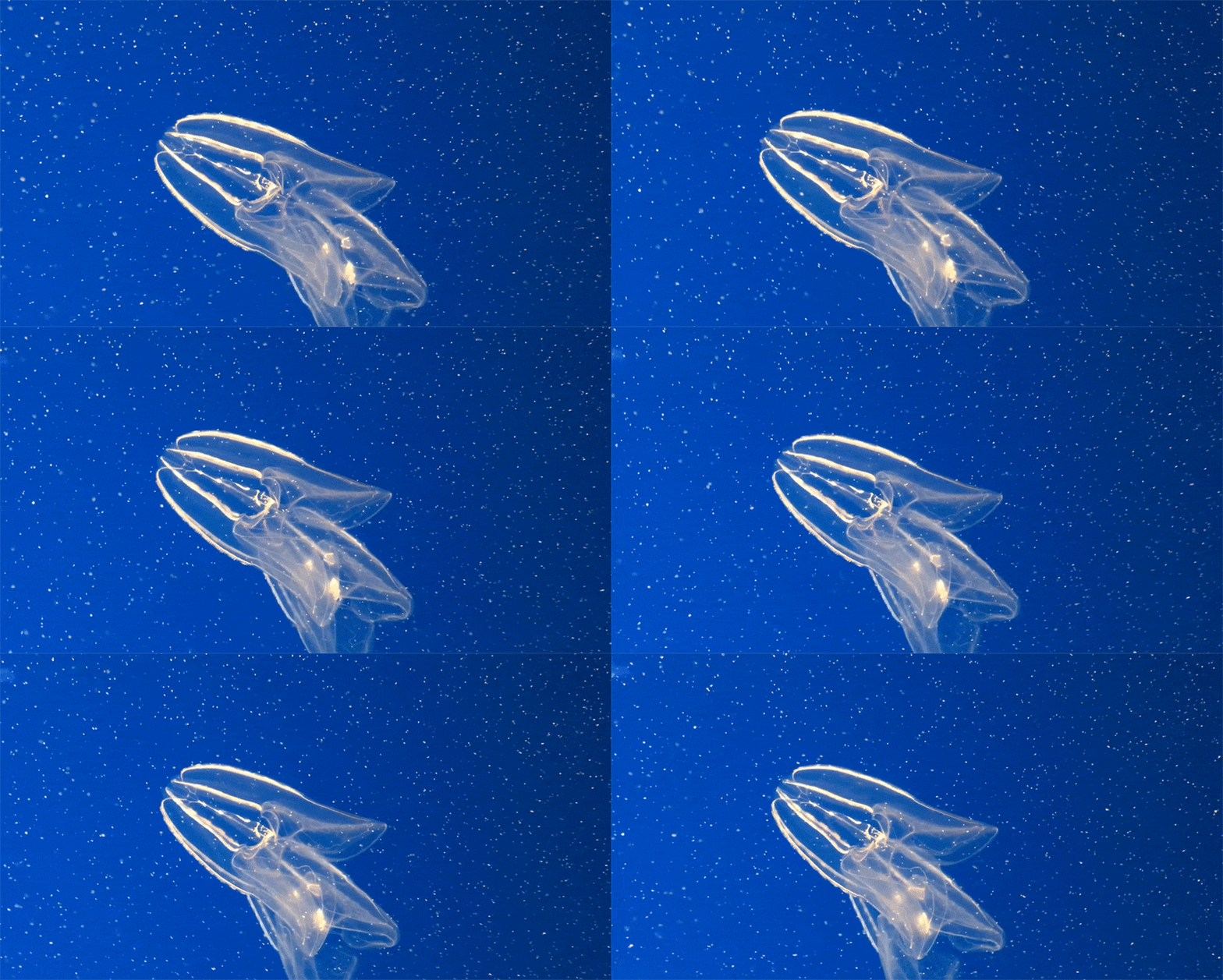
Scientists Say: Jellies
Jellies have roamed the seas for 500 million years. Some have stinging tentacles and bell-shaped bodies and are called jellyfish. Others are very different.
- Life
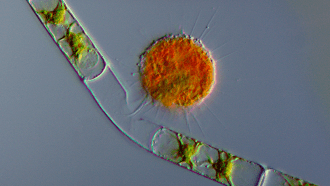
Amoebas are crafty, shape-shifting engineers
It’s easy to overlook amoebas — but we shouldn’t. These one-celled wonders can build their own shells, punch holes in prey and even farm bacteria.
- Fossils
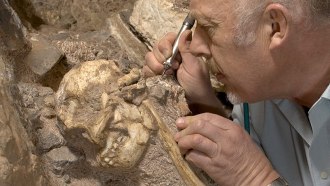
A skeleton named ‘Little Foot’ causes big debate
New studies suggest a fossil hominid called Little Foot belongs to the species Australopithecus prometheus. Other scientists question whether such a species exists.
- Brain
Expecting pain? That could really make it hurt worse
How much someone expects something to hurt affects how their brain processes the pain, and how well they learn from it.
- Animals
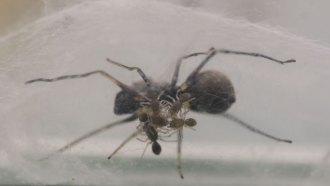
This spider feeds a type of milk to its babies
Even after spiderlings start hunting for themselves, they return to mom for milk.
- Animals
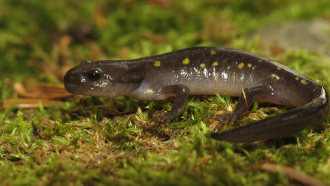
Mosquito repellent could pose risks to baby salamanders
Two ingredients in bug repellant — DEET and picaridin — can end up in streams. There, they may hurt salamanders but leave mosquitoes alone, a study finds.
- Brain
Marijuana use may affect decision-making areas in teen brains
Marijuana use during adolescence may damage decision-making areas of the brain, according to a new study in rats.
- Brain
Scientists Say: Opioid
Opioid drugs work in the brain to stop pain. But the drugs also produce pleasure, which can make people want to take them over and over again.
- Ecosystems
Welcome to the Arctic’s all-night undersea party
Life teems in the frozen darkness of the Arctic night. But as the ice recedes and people move in, their light pollution may disturb the animals living there.