Life
- Brain
People may be literally led by their noses
The brain links people’s senses of nagivation and smell, according to a new study.
- Life
Scientists Say: Nectar
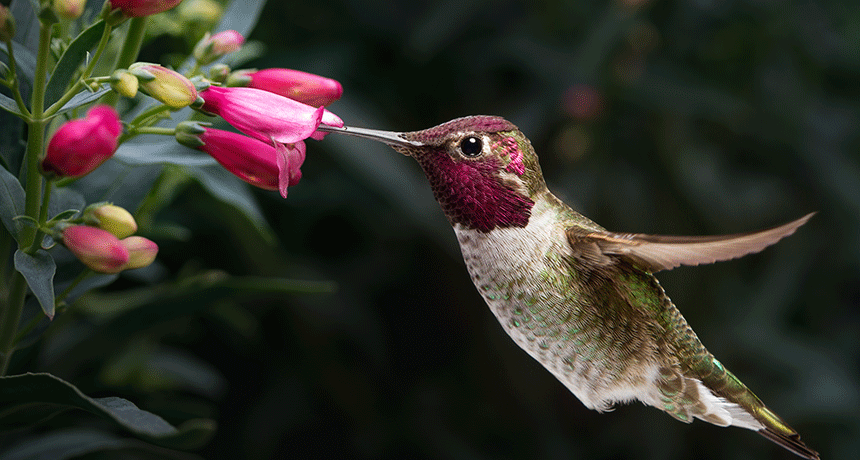
Nectar is a fluid filled with sugar that plants — especially flowers — produce. They use it to attract animals that will then spread their pollen to another plant.
- Genetics
Plants don’t grow well when always on high alert
Plants make bitter-tasting chemicals to defend themselves against hungry bugs. But they pay a cost for always being on alert, scientists find.
- Fossils
T. rex pulverized bones with an incredible amount of force
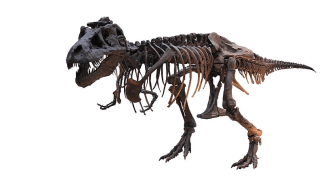
Tyrannosaurus rex’s powerful bite and remarkably strong teeth helped the dinosaur crush bones.
- Genetics
Gene editing creates mice with no mom
Scientists used gene editing to make the first ever mice with two dads. But these motherless pups died soon after birth.
- Brain
How your brain is like a film editor
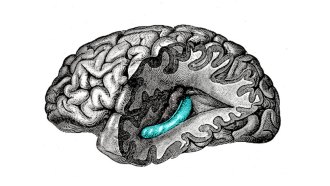
A brain structure called the hippocampus may slice our ongoing lives into distinct chunks so that they can then be stored as memories.
- Brain
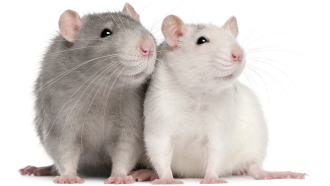
The immune system has a say in how hard ‘teen’ rats play
“Teen” rats like to wrestle. A new study shows the brain’s immune system might trigger changes that morph this desire for rough-and-tumble play into the calm of adulthood.
- Brain
Less screentime linked to better memory, learning in kids
Kids ages eight to 11 spend an average of 3.6 hours a day on screens, a new study shows. But the best thinking scores come from kids who average fewer than two hours a day of screen time.
- Earth
Designing tomorrow’s burger
Many people enjoy biting into a juicy hamburger. But getting it to the table can be hard on the environment. That's why scientists are at work developing new forms of beef and other meats, ones that don't require slaughtering animals.
- Animals
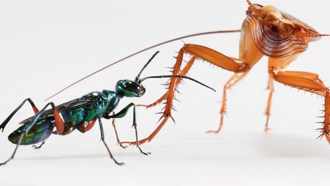
Here’s how cockroaches fight off zombie-makers
Stand tall. Kick, kick and kick some more. Scientists observed these successful tactics among some study subjects that avoided becoming true zombies.
- Health & Medicine
Bacteria and bugs will save us from the zombie apocalypse
Don’t fear the undead. Here’s how the body’s cells, microbes and insects will eat a zombie before it ever goes looking for brains.
- Earth
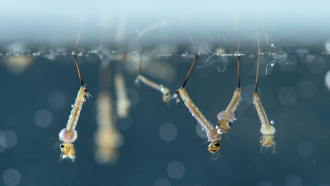
Microplastics take flight in the bellies of mosquitoes
In polluted water, mosquito larvae may eat microplastic — and it will stay in their bodies as they grow. That might pose risks to skeeter-eating birds.