Science & Society
- Health & Medicine
This scientist wants to know how racial discrimination gets ‘under the skin’
Racism could have derailed Leticia Márquez-Magaña’s path to science. Now she studies the biological impact of stress faced by underrepresented groups.
- Earth
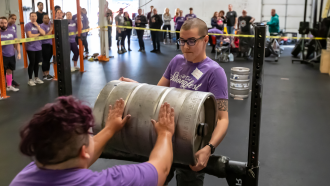
Weight lifting is this planetary scientist’s pastime
Beck Strauss uses magnetic fields to explore the makeup of Earth and other planets.
- Genetics
Answers to your questions on the new coronavirus
As SARS-CoV-2 spreads globally, researchers are looking for answers on why this novel coronavirus is so infectious and hard to control.
- Science & Society
Science isn’t just for scientists
It doesn’t take an advanced degree or a lab to do science. All you need is curiosity and an interest in learning something new every day.
- Science & Society
Introducing the Transparency Project
A new effort from Science News for Students aims to help readers better understand our journalism.
- Physics
There’s science to making great fried rice
Scientists report finding the physics that seems to explain how chefs can quickly fry rice over a hot flame without burning the food.
- Health & Medicine
Top 10 tips to stay safe during an epidemic
It’s easy to panic when you hear a global infectious outbreak is developing. But panic doesn’t help. Good hygiene does. Here’s what to do.
- Earth
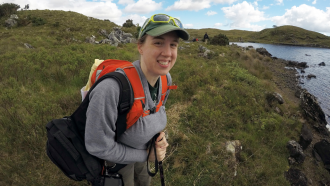
An accident didn’t stop this geologist from doing field work
Anita Marshall works to make it easier for other people with physical disabilities to pursue a research career.
- Health & Medicine
What ‘community’ spread of coronavirus means
Health experts warn there are probably many undetected cases already in the United States, raising chances the disease will soon be widespread.
- Animals
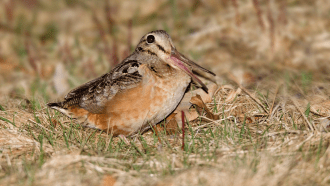
How an encounter with this odd-looking bird inspired a career
Kevin Burgio overcame many hardships to become a scientist. Now he studies how animals like the Carolina parakeet and Tasmanian tiger went extinct.
- Brain
Easily distracted? Training your brain’s activity could help
People can train their brainwaves to direct their attention, scientists have now shown. The technique may someday be able to help people focus.
- Health & Medicine
Do school-shooter drills hurt students more than they help?
There’s no set standard for shooter drills held at most U.S. schools. Experts are beginning to ask whether certain drills might hurt students more than they help.