Science & Society
- Archaeology
Hunter-gatherers roamed Florida 14,500 years ago
Tools and bones from a submerged site in Florida show that Stone Age people lived in North America earlier than was once thought.
- Archaeology
Remains of long-ago child sacrifices found in Belize cave
Thousands of bones in Belize’s Midnight Terror Cave show that the Maya had a long tradition of human sacrifices. New data show that many had been children.
- Computing
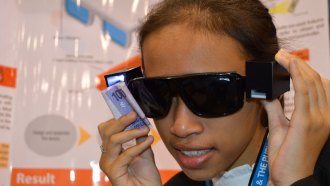
New device identifies money by its color
Two teens have invented a gadget that can help the blind identify the value of a banknote based on its color.
- Health & Medicine
Teen vaping soars past cigarette use
Most U.S. states ban sales of e-cigarette products to kids. Still, new data show that it’s no sweat for tweens and teens to buy them online.
- Science & Society
‘FabLab’ brings cool science to TV
FabLab is a new series that brings science, technology, engineering and math subjects to TV and the Web.
- Science & Society
The 2016 Intel Scientist Talent Search on Twitter and beyond
On March 15, the Intel Science Talent Search celebrated its 75th anniversary. See this year’s competition through social media.
- Math
U.S. grasp of science is improving — but there’s a catch
Americans’ grasp of science is improving. But a new study shows that adults’ scores can vary depending on how questions are phrased.
- Health & Medicine
New devices coming to assist the disabled
New technologies, including motorized prosthetics and stair-climbing wheelchairs, could someday help people overcome a range of disabilities.
- Brain
Early intro to sign language has lasting benefits
Children introduced to sign language as babies performed better on mental-processing tasks at age 12 — and as adults — than did people who learned sign language at age 3.
- Agriculture
A shock to the food system
Droughts and other weather extremes caused by climate change are dramatically increasing the risk of short-term interruptions in the supplies of food.
- Health & Medicine
Teen data find vapers often become smokers
Many view vaping as less harmful than cigarettes. But an increasing number of studies suggest that using e-cigarettes increases the risk a teenager will start to smoke.
- Earth
The most important stories of 2015
From Pluto to gene editing, the year saw a number of notable research discoveries, advances and insights.