Earth and Human Activity
- Animals
Under blanket of ice, lakes teem with life
Life under frozen lakes is vibrant, complex and surprisingly active, new research finds. In fact, some plants and animals can only live under the ice. But with climate change, will that continue?
- Animals
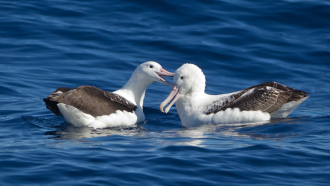
Food-like smell on plastic may lure seabirds to eat it
When plastic smells like supper, seabirds and other animals can be fooled into thinking it is food.
- Climate
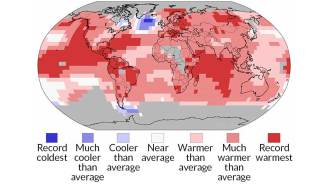
2015’s record heat: It will soon be ‘normal’
The record-setting global temperatures seen in 2015 could become common as soon as the 2020s, and known as the “new normal.”
- Climate
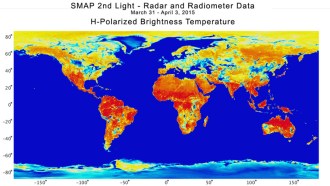
Predicting a wildfire with data from space
When the West gets dry it can catch fire. A teen decided to find out if satellite data might show where a fire’s fuel might reside.
- Environment
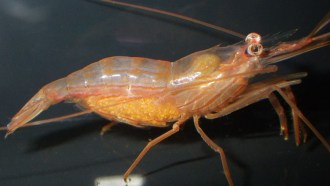
Ocean of the future may make shrimp small and colorful
Carbon dioxide released into the air can end up in the ocean, making it more acidic. A teen showed that this acidification could shrink shrimp and make them more colorful.
- Climate
Arctic Sea could be ice-free by 2050
Everyone contributes to the melting of Arctic sea ice, and all are in danger of making summer ice disappear there completely by 2050, a new study finds.
- Animals
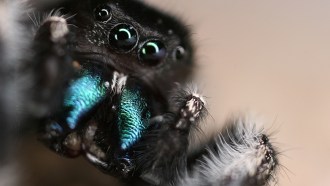
Spidey sense: They can hear you!
Surprise! At least some spiders can hear us. Even without eardrums, jumping spiders can still detect airborne sounds from across the room.
- Earth
Beaches can be a germy playground
Infectious microbes can flourish on sandy beaches. Scientists are now exploring how to find and monitor these hotspots for pollution that can make vacationers sick.
- Animals
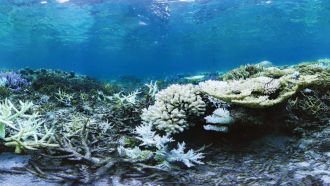
Creative ways to help coral reefs recover
Coral reefs are under siege from threats ranging from climate change to explosives. But scientists are developing ways to rebuild reefs before they disappear.
- Earth
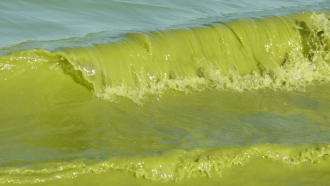
Water sensor quickly detects algal poison
A new sensor can detect poisons from harmful algae within minutes so that drinking-water plants can start timely treatments.
- Chemistry
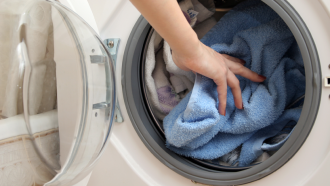
Laundering clothes may send indoor pollutants outdoors
Clothing absorbs pollutants from indoor air. During washing and drying, the fabric releases those chemicals into the outdoor environment, a new study finds.
-
Teachers talk about climate change, and kids are listening
Teachers may help convince students that climate change is real. But when it comes to what’s behind that change, many kids appear to rely on more than those educators.