Ecosystems: Interactions, Energy, and Dynamics
- Animals
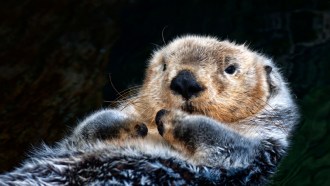
Sea otters picked up swine flu
A new study finds that large numbers of sea otters off of the U.S. Pacific coast have been exposed to the ‘pandemic’ type of this killer virus.
- Animals
When a species can’t stand the heat
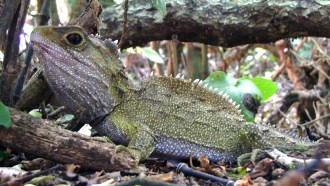
When temperatures rise, New Zealand’s tuatara produce more males. With global warming, that could leave the ancient reptile species with too few females to avoid going extinct.
- Animals
Explainer: How invasive species ratted out the tuatara
The introduction of rats to New Zealand led to huge population losses of the ancient tuatara. These uncommon reptiles vanished from the mainland. This left isolated populations to survive on several dozen isolated islands.
- Animals
Kangaroos have ‘green’ farts
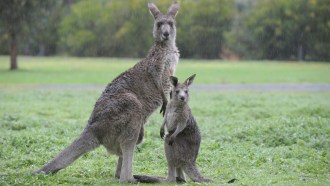
The farts and belches of these animals contain less methane than do those from other big grass grazers. Microbes in their digestive tract appear to explain the ‘roos lower production of this greenhouse gas, a new study finds.
- Animals
Pythons seem to have an internal compass
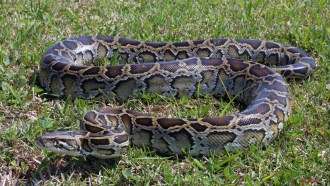
The giant, Burmese pythons living in Florida’s Everglades like their adopted home. And new research shows they can find their way back to it if people try to move them somewhere else. Not all snakes will do this.
- Animals
Quieter vibes for city spiders
How much a web vibrates affects how well a spider senses when that web has captured prey. But webs attached to concrete, plastic and other artificial materials vibrate less than do those built on natural materials, such as twigs or leaves.
- Microbes
Return of the giant zombie virus
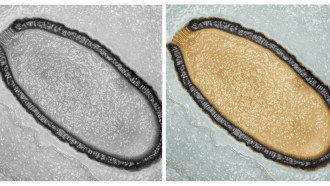
Scientists have discovered a new type of virus in Siberian soils. It's the largest virus ever discovered. And guess what: It could infect cells even after 30,000 years in cold storage.
- Health & Medicine
Some of chocolate’s health benefits may trace to ‘bugs’
Dark chocolate offers people a number of health benefits. A new study finds that the breakdown of chocolate by microbes in the human gut be behind some benefits.
- Environment
Burning to learn
Fires cause billions of dollars of destruction to homes and forests every year. But not all fires are bad, especially for forests. With a better understanding of fire, scientists can both help people prevent dangerous fires — and identify which ones it would be better to let burn.
- Environment
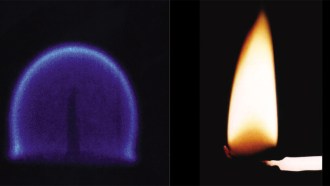
Explainer: How and why fires burn
A fire’s colorful flame results from a chemical reaction known as combustion.
- Health & Medicine
Intel STS finalist finds new flu fighters
Intel Science Talent Search finalist Eric Chen used a computer simulation to narrow down chemical targets to fight influenza. The drugs that he identified could be the next big weapons against flu.
- Animals
Passing diseases from bee to bee
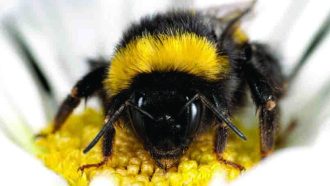
A study finds that the viruses and parasites that plague honeybees can infect bumblebees too, sickening another important pollinator.