Earth
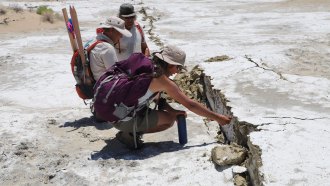
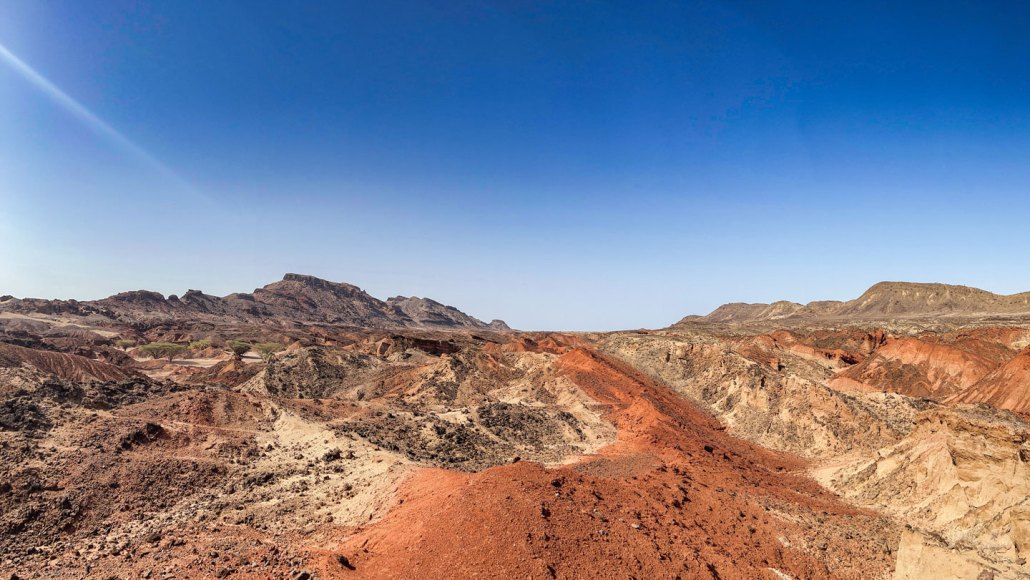
Earth’s crust under Africa is thinning in a way never seen before
Africa’s Turkana Rift Zone has been caught in the act of “necking" — a key point in breakup of continental crust.
Magma can sit underground for tens, hundreds or even thousands of years before an influx of new magma or gush of gas triggers a volcano to erupt.
This appears to be a newfound type of eruption. It could only be recognized because of the extensive monitoring of Kilauea's crater.
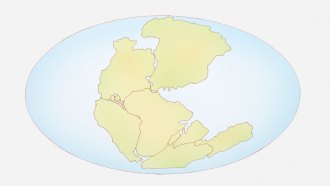
These gigantic landmasses form when much of Earth’s landmass smashes together.
Steady ‘winds’ can carve clay blobs into lion-shaped landforms called yardangs, a new study suggests. One such yardang may have inspired the Great Sphinx of Giza.
After a century of searching for the source of the Altar Stone, scientists have yet to figure out where ancient people got the rock.
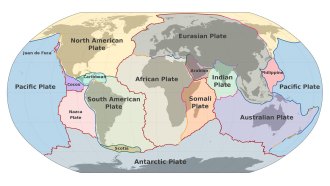
Tectonic plates are giant slabs of rock that make up Earth’s outer layer.
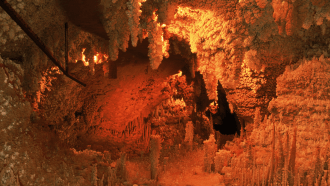
By drilling into this cavern, scientists have opened a window into the mysterious world of hidden lakes, their occupants — and rivers that run uphill.
Seismology is the branch of science focused on seismic waves — vibrations that run through or around Earth.
The force of friction always acts to slow things down. It depends on just two factors: the surfaces and how hard they press together.