HS-ETS1-1
Analyze a major global challenge to specify qualitative and quantitative criteria and constraints for solutions that account for societal needs and wants.
- Animals
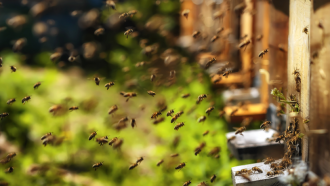
Cool Jobs: Abuzz for bees
These scientists are keeping bees healthy, making medicines for people from honey and constructing bee-inspired robots.
- Computing
The Internet of Things wants to link all facets of our world
The Internet of Things means everyday objects are becoming computers. Can people harness this technology to make the world better?
- Computing
LEDs offer new way to kill germs in water
Growing ultraviolet-light-emitting diodes on thin, flexible sheets of metal holds promise for water disinfection and other applications.
- Agriculture
World’s tallest corn towers nearly 14 meters
Short nights and a genetic tweak helped novel corn reach record heights.
- Computing
Computer hackers take to the cloud
People use cloud computing for storing files online. A new study shows the dark side of the cloud: These services can harbor malware.
- Chemistry
Fingers leave tell-tale clues about you on your phone
Analyzing chemicals on a cell phone tells researchers what the caller had been up to. That includes recent meals and where they'd been.
- Materials Science
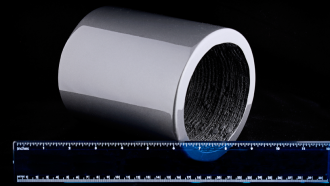
3-D printers offer better way to make some magnets
3-D printers produced magnets as strong as conventional ones with less material wasted.
-
Teen gets fired up about Christmas tree safety
A deadly Christmas tree fire inspired one teen to study how a tree’s moisture level affects how easily it will ignite and burn.
- Climate
Cool Jobs: Wet and wild weather
How’s the weather? Forecasts rely on scientists and engineers who collect and interpret data gathered on the ground, in the sky and way up in space.
- Genetics
Explainer: What is epigenetics?
Epigenetics is the study of molecular “switches” that turn genes on and off. Tweak those switches and there could be big health consequences.
- Animals
End of Latin America’s Zika epidemic is in sight
A computer simulation suggests the Zika epidemic in Latin America is peaking and may not strike hard again for up to three decades.
- Computing
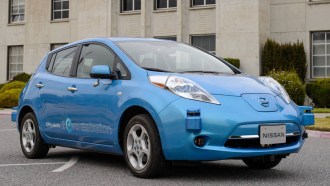
Moral dilemma could limit appeal of driverless cars
Driverless cars will have to be programmed to decide who to save in emergencies — passengers or pedestrians. Many people aren’t yet sure they are ready to choose cars that make the most moral decision.